Quick Answer: Renting works best when you understand your budget, know what you need in a home, and carefully review the lease before signing. The right rental should fit your lifestyle, location needs, and long-term plans without creating unnecessary stress.
Renting is a big step, whether it is your first apartment or your next move. A little preparation can help you avoid surprises and choose a place that feels like a good fit from day one.
Start With Your Budget
The first thing to understand about renting is how much you can realistically afford. Your rent should fit comfortably within your monthly income while leaving room for utilities, transportation, groceries, savings, and other expenses. A good budget helps you avoid financial strain after move-in.
Remember that rent is only one part of the total cost. You may also need to pay an application fee, security deposit, moving costs, and possibly pet-related or parking-related charges. Looking at the full monthly picture gives you a better idea of what you can truly afford.
Know What You Need
Before you start searching, make a list of your must-haves. Think about how many bedrooms and bathrooms you need, whether you want extra storage, and whether you need features like parking or in-unit laundry. Knowing your priorities makes it easier to compare apartments.
It also helps to separate your needs from your wants. A balcony or fitness center may be nice, but a practical layout or a convenient location may matter more in the long run. This kind of planning keeps your search focused and realistic.
The clearer you are about your needs, the easier it will be to decide whether a rental is a good fit.
Choose the Right Location
Location plays a major role in the rental experience. A good location should make your commute manageable, your errands easier, and your day-to-day routine more convenient. It should also feel like a place where you are comfortable spending time.
Think about your relationship to work, family, school, shopping, and entertainment. You may also want to consider access to public transportation, walkability, and neighborhood feel. If you spend a lot of time outside the apartment, location can matter just as much as the unit itself.
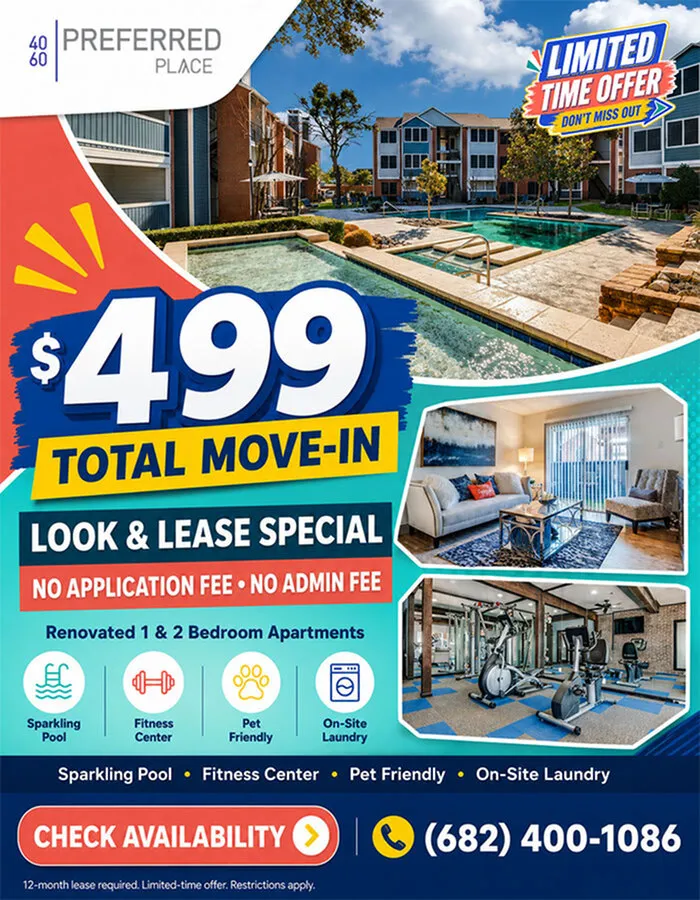
When you evaluate a property like Preferred Place, the neighborhood and overall convenience should be part of the decision.
Review the Amenities
Amenities can add a lot of value to a rental, but only if they fit your lifestyle. Some renters care most about a pool, fitness center, or package services, while others care more about parking, laundry, or outdoor space. The best amenities are the ones you will actually use.
It is easy to be impressed by a long list of features, but not every amenity is equally useful. Focus on the things that support your daily life and make your home more comfortable. That gives you a clearer sense of value.
At Preferred Place, comparing amenities side by side can help you decide whether the property matches your needs.
Read the Lease Carefully
The lease is one of the most important documents in renting. It explains how long you are committing to live there, how rent payments work, what fees may apply, and what rules you need to follow. Reading it carefully helps you avoid misunderstandings later.
Pay special attention to renewal terms, deposits, maintenance responsibilities, guest policies, and move-out rules. If you have pets, check the pet policy closely. If anything is unclear, ask questions before signing.
A clear lease is a sign of a well-organized rental experience. It also protects both you and the property.
Understand Move-In Costs
Many renters focus on monthly rent and forget about move-in costs. In addition to the first month’s rent, you may need to pay a security deposit, application fee, and possibly admin or pet fees. These upfront costs can add up quickly.
Planning for move-in costs ahead of time can make the process much easier. That way, you are not caught off guard by fees right before move-in day. A realistic budget should include both initial and monthly expenses.
This is one of the biggest reasons renters should review all costs before signing anything.
Tour the Property in Person
Even if photos look great online, touring the property in person gives you a better sense of what the home is really like. You can check the layout, natural light, storage, maintenance quality, and overall atmosphere. That helps you make a more informed decision.
A tour is also a good time to ask questions about parking, utilities, move-in procedures, and community rules. The more you learn during the tour, the more confident you can be in your choice.
If possible, compare more than one unit so you can see which one feels like the best fit.
Think About Long-Term Comfort
Renting is not just about finding a place to sleep. It is about choosing a home that supports your daily routine and feels comfortable over time. A good rental should work well not only on move-in day, but also months later.
Think about noise, space, privacy, and how the apartment will support your lifestyle. A slightly better layout or more convenient setup can make a big difference in how happy you feel living there. Comfort matters just as much as price.
When you choose a rental thoughtfully, you are more likely to enjoy your home throughout the lease term.
Featured Snippet Style Definition
What do you need to know about renting? You need to know your budget, your must-have features, the location, the amenities, the lease terms, and the full move-in costs before choosing a rental.
Step-by-Step Guide
- Set a realistic rental budget.
- List your must-have features.
- Compare location and commute options.
- Review amenities and unit layout.
- Read the lease carefully before signing.
- Plan for move-in costs and monthly expenses.
- Tour the property in person before deciding.
Comparison Table
| Renting Factor | What to Consider | Why It Matters |
|---|---|---|
| Budget | Monthly rent and total costs | Helps avoid financial stress |
| Location | Commute, neighborhood, and convenience | Affects daily life and comfort |
| Amenities | Features you will actually use | Adds value to the rental |
| Lease terms | Rules, fees, and renewal details | Prevents surprises later |
FAQ
What should I know before renting an apartment?
You should know your budget, what features you need, what the lease says, and what move-in costs to expect.
Why is location important when renting?
Location affects commute time, convenience, and how well the rental fits your daily routine.
Should I tour the apartment before signing?
Yes. Touring in person helps you see the apartment condition and ask important questions.
What costs should renters plan for?
Renters should plan for rent, deposits, application fees, utilities, and any pet or parking fees.
Why do lease terms matter?
Lease terms explain your responsibilities, fees, and rules during the rental period.
Conclusion
Renting becomes much easier when you understand the basics before you start searching. Budget, location, amenities, lease terms, and move-in costs all play a role in finding the right home and avoiding surprises.