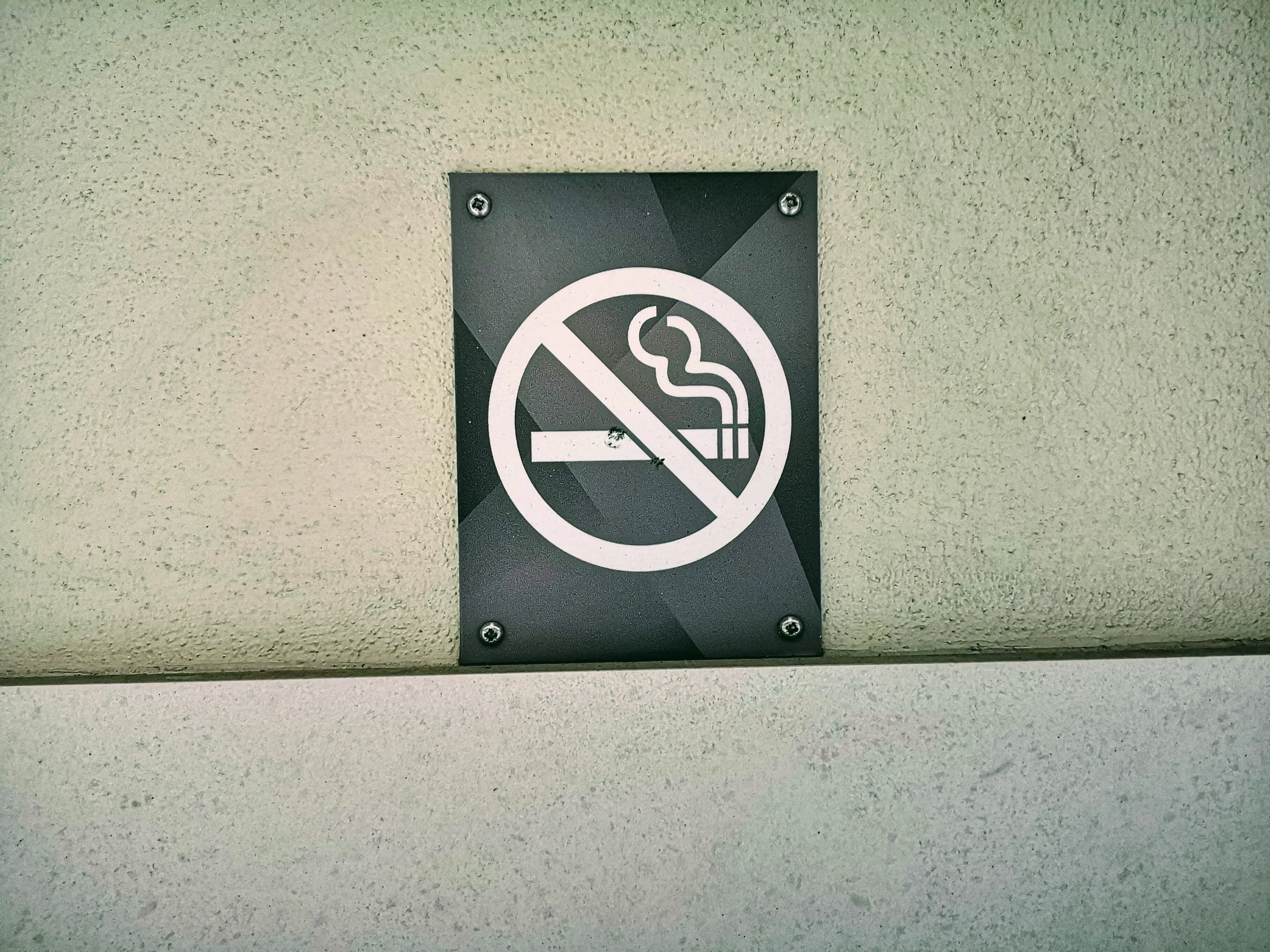
Quick Answer: Smoke-free living means your apartment community prohibits smoking inside units, indoor common areas, and often the surrounding grounds. A smoke-free policy doesn't necessarily ban every resident from smoking entirely, but it does restrict where lit tobacco, e-cigarettes, and similar products are allowed, which protects everyone from secondhand smoke drifting between homes.
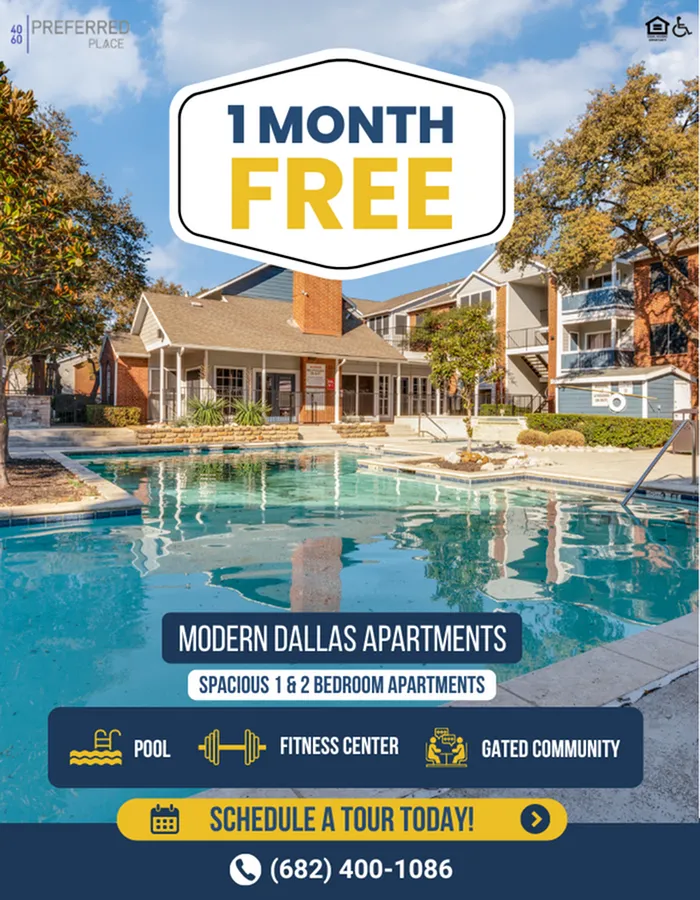
Clean air at home isn't a luxury anymore. More renters now put smoke-free living near the top of their apartment checklist, right alongside price and floor plan. At 4060 Preferred Place in Dallas, residents often ask what that label really covers, who it protects, and whether it limits their own choices. This guide explains what a smoke-free apartment policy means in plain terms, what U.S. and Texas smoking laws actually allow, and how the rules shape daily life for everyone in the building.
What Does Smoke-Free Living Actually Mean?
Smoke-free living means a property bans the use of smoking products in the places its policy defines, usually private units, shared indoor spaces, and a set perimeter around each building. The smoke free meaning centers on location and air quality, not personal judgment. It keeps smoke from one home out of the home next door.
The point is shared air. In a multifamily building, smoke does not stay put. It travels through shared ventilation, wall gaps, electrical outlets, and plumbing chases, so one resident's habit can fill a neighbor's living room. A written policy removes the guesswork and gives the whole community one clear standard.
What a Smoke-Free Apartment Policy Usually Covers
Most smoke-free apartments treat "smoking" broadly. The ban typically applies to cigarettes, cigars, pipes, and hookah, and a growing number of communities now fold in vaping and e-cigarettes because the vapor still drifts and lingers. Cannabis is usually included too, and in Texas it remains illegal regardless of any lease term.
Coverage extends past your own four walls. Hallways, lobbies, elevators, the fitness center, the clubhouse, and the leasing office are almost always off-limits. Many communities also restrict balconies, patios, and pool decks, since smoke at ground level rises straight into the units above. If you want to compare layouts in a smoke-free community, the available one and two bedroom floor plans show how units sit relative to shared spaces.
Is Smoking Banned in Smoke-Free Apartments, or Just Restricted?
In most smoke-free apartments, smoking is restricted by location rather than banned for the person. You are not required to quit. The policy simply tells you where lit products are not allowed, and some communities set aside a designated outdoor spot a fixed distance from any building.
How strict that gets varies by property. Some communities go fully smoke-free across the entire grounds, with no exceptions. Others permit smoking only beyond a marked perimeter. As a useful benchmark, the federal rule that took effect in July 2018 required public housing nationwide to keep lit tobacco at least 25 feet from buildings, and many private communities borrowed that same 25-foot standard for their own grounds.
Enforcement runs through your lease. When you sign, the smoke-free clause becomes part of the contract, and repeated violations are treated like any other lease breach: warnings first, then possible penalties. The honest tradeoff is that policies only work when neighbors report problems and management follows up, so results depend on both the rules and the people enforcing them.
What Laws Regarding Smoking Apply to Non-Smoking Apartments?
The laws regarding smoking in rental housing favor the property owner. There is no legal right to smoke inside a unit you rent. Private owners may prohibit smoking on their property, and courts have consistently upheld smoke-free leases as enforceable contracts between landlord and resident.
Non-smoking apartments rest on that foundation. A landlord is not discriminating by banning smoking, because smokers are not a protected class under federal fair-housing law. The lease you sign sets the standard, and that standard can be stricter than any city or state minimum.
The Clean Indoor Air Act and State Smoking Rules
Several states have passed a Clean Indoor Air Act, and these are the laws on smoking most renters have heard of. They generally regulate enclosed public places and workplaces, think restaurants, bars, and offices, rather than private homes. Texas has no statewide comprehensive smoke-free law, though Dallas enforces a local ordinance covering many indoor public spaces. None of these public-place rules stop an apartment community from going further on its own property, which is exactly why so many do.
| Area of the Community | Typically Smoke-Free? | What to Check in the Lease |
|---|---|---|
| Inside the apartment unit | Yes | Whether vaping is named alongside tobacco |
| Private balcony or patio | Often | Some allow it, some do not |
| Indoor common areas | Yes | Halls, gym, clubhouse, leasing office |
| Outdoor grounds and perimeter | Varies | Look for a stated distance from buildings |
| Designated smoking area | Sometimes | Confirm whether one exists at all |
Health guidance reinforces why these policies spread. The U.S. Surgeon General has long held that there is no risk-free level of secondhand smoke exposure, and the smoke itself carries hundreds of toxic chemicals, dozens of which are known to cause cancer. For households with children, older adults, or anyone managing asthma, smokefree homes remove a daily exposure they cannot control on their own. There is a practical upside for the property too, since units that never absorb smoke avoid the deep cleaning, repainting, and odor treatment that a former smoker's apartment usually needs at turnover. You can see how the community is laid out across the shared amenities and gathering spaces that stay smoke-free.
Frequently Asked Questions
1. What does smoke-free living mean for my own apartment?
It means lit tobacco, and usually vaping, are not permitted inside your unit. You keep full use of the home in every other way. The rule exists to stop smoke and odor from passing through walls and vents into neighboring apartments, which protects your air as much as theirs.
2. Are smokefree homes actually better for your health?
Yes. Smokefree homes cut secondhand smoke exposure, which the Surgeon General says has no safe level. The benefit is largest for children, seniors, and people with asthma or heart conditions. Removing indoor smoke also lowers fire risk and keeps carpets, paint, and air filters cleaner for longer.
3. Can a landlord legally ban smoking in an apartment?
Yes. Under the laws on smoking that apply to rentals, a private property owner may prohibit smoking, and smokers are not a protected class. Once you sign a lease with a smoke-free clause, that term is enforceable like any other part of the agreement.
4. Does a smoke-free policy include vaping and e-cigarettes?
Often, yes. Many communities now list vaping right next to tobacco, since aerosol from e-cigarettes still drifts between units and leaves residue. Always read the exact wording, because coverage differs by property. Common items a policy may name include:
- Cigarettes, cigars, and pipes
- Hookah and waterpipes
- E-cigarettes and vape pens
- Any lit or heated cannabis product
5. How do I find smoke-free apartments near me in Dallas?
Ask directly. When you tour, ask whether the community is fully smoke-free and request the written policy in the lease. Renters searching for smoke-free apartments near them in the Dallas area should confirm whether balconies and grounds are covered, not just interiors. You can reach the leasing team with your questions before you apply.
Conclusion
Smoke-free living is less about restriction and more about shared, breathable air for every resident under one roof. The policy sets a clear standard, the lease makes it enforceable, and federal health guidance explains why so many communities adopt it. For Dallas renters who value clean indoor air, a smoke-free community like 4060 Preferred Place turns a personal preference into a building-wide promise. Want to see the area first? Explore the neighborhood map and directions and picture daily life there.