
4060 Preferred Place Blog | Living in Redbird, Dallas TX

Houston vs San Antonio: Cost of Living Comparison for Renters (2026)-image

META TITLE: Houston vs San Antonio: Cost of Living Comparison for Renters 2026 META DESCRIPTION: Detailed Houston vs San Antonio cost of living comparison for renters. Rent, utilities, food, transportation, and more. Which Texas city offers better value? URL SLUG: houston-vs-san-antonio-cost-of-living-renters-comparison Quick Answer: San Antonio is 15–20% cheaper overall than Houston for renters. San Antonio has lower rent ($1,150–$1,600 for 1BR vs Houston's $1,300–$1,800), lower utilities, and lower food costs. Houston offers more job diversity and higher salaries, which can offset costs. Choose San Antonio for affordability; Houston for career growth. Introduction Houston and San Antonio are Texas' two largest metros outside of Dallas-Fort Worth. Both attract renters with job opportunities and active lifestyle. But which city offers better financial value? The answer depends on your priorities. San Antonio is significantly cheaper to live in. Houston offers more job options and potentially higher salaries. Both have unique benefits and drawbacks. When evaluating Preferred Place Apartments in Houston or considering San Antonio alternatives, understanding costs helps you decide. This detailed comparison covers housing costs, utilities, food, transportation, entertainment, and overall cost of living. By the end, you'll understand which city aligns better with your budget and lifestyle. --- Housing Costs: The Biggest Difference Average Rent Comparison Housing is where you'll see the biggest difference between these cities: Apartment Type Houston San Antonio Difference Studio $1,100–$1,400 $850–$1,100 SA is 20–25% cheaper 1 Bedroom $1,300–$1,800 $1,100–$1,400 SA is 18–23% cheaper 2 Bedroom $1,600–$2,200 $1,300–$1,700 SA is 18–25% cheaper 3 Bedroom $2,000–$2,800 $1,600–$2,000 SA is 20–30% cheaper Real Numbers Monthly rent savings: For a 1-bedroom apartment, you'll save $200–$400/month in San Antonio. Over a year, that's $2,400–$4,800. If you're looking at studio apartments in west Houston , expect to pay more than San Antonio equivalents. Why Houston Costs More Larger metro area (7.5 million vs. 2.4 million) More corporate headquarters and high-paying industries Lower rental vacancy rates (tighter market) Rapid population growth increasing demand Multiple commercial centers driving demand Why San Antonio Costs Less Smaller metro area with lower demand More abundant vacant rental properties Lower average salaries (doesn't support higher prices) Less gentrification pressure than Houston More stable population growth --- Utility Costs Electricity Both cities have hot summers and significant AC usage: Houston summer: $180–$280/month (higher humidity = higher cooling needs) San Antonio summer: $150–$240/month (lower humidity, slightly cheaper) Winter (both cities): Minimal heating needs, $80–$120/month Annual electricity difference: Houston averages $200–$250/year more. Water and Sewer Houston: $40–$60/month (higher water rates) San Antonio: $35–$50/month (lower rates) Natural Gas (if used) Both cities: $20–$40/month winter, minimal summer Internet Both cities: $40–$80/month (similar providers and rates) Total monthly utilities (typical): Houston $180–$240, San Antonio $160–$210. San Antonio saves ~$20–$30/month. --- Groceries and Food Costs Grocery Prices Both cities have competitive grocery markets with similar prices: Budget grocery shopping: Both $150–$250/month Average spending: Both $250–$400/month Houston has slightly more food options and diversity, but prices are comparable. If you're interested in other neighborhoods, check New Braunfels cost comparisons to see even lower food costs. Dining Out This is where the cities diverge: Houston casual dining: $15–$25/meal (higher average due to premium restaurants) San Antonio casual dining: $12–$20/meal (more budget-friendly options) Houston fine dining: $50–$100+ per person San Antonio fine dining: $35–$70 per person Dining out savings in San Antonio: 20–30% cheaper, especially at casual restaurants. --- Transportation Costs Car Ownership Both cities require cars for most residents. Monthly costs: Car payment: $200–$400/month (both similar) Insurance: Houston $85–$155/month, San Antonio $80–$140/month Gas: Same price (regional fuel prices identical) Maintenance: Similar ($50–$100/month both) Total car costs (both cities): $430–$830/month. Slight advantage to San Antonio on insurance. Public Transit Houston METRO: Single trip: $2.50 Monthly pass: $62.50 (unlimited) Coverage: Extensive but car still often needed San Antonio VIA: Single trip: $1.25 Monthly pass: $45 (unlimited) Coverage: More limited than Houston but improving. Learn more about San Antonio's transit system Savings using San Antonio transit over Houston: $17.50/month if using public transit regularly (monthly pass difference), or $0.25–$1.25 per trip savings. --- Entertainment and Recreation Attractions and Cost Houston: Space Center Houston: $32 (most expensive) Houston Museum of Fine Arts: Free–$15 San Jacinto Monument: $9 Theaters and concerts: $30–$100+ (more options) San Antonio: Gruene Historic District : Free (iconic, extensive walkable entertainment) Alamo: $14.50–$25 (historic site) The Pearl District: Free to explore (shops, restaurants) Theaters and concerts: $20–$60 (fewer options) Advantage: San Antonio offers more free entertainment. Houston requires more spending on paid attractions. Nightlife and Dining Entertainment Houston bars/clubs: $3–$10 cover charge typical, drinks $6–$10 San Antonio bars/clubs: $2–$8 cover, drinks $5–$8 Monthly entertainment budget: Houston $150–$250, San Antonio $100–$200 (more affordable activities). --- Healthcare and Insurance Costs Health Insurance Individual marketplace insurance: $180–$450/month (both cities similar) Employer-provided: Similar copay structures and network quality Doctor Visits and Prescriptions Doctor visit copay: Both $20–$50 Prescription costs: Both $10–$40 per medication Healthcare costs are roughly equivalent between cities. --- Income and Job Market Comparison Houston Job Market Houston has significant advantages: Energy sector (oil & gas): High-paying careers Port and logistics: Diverse employment Petrochemicals: Technical jobs Healthcare: Growing sector Average salary: $55,000–$65,000/year (higher) San Antonio Job Market San Antonio offers fewer but still viable options: Military (Fort Sam Houston, Lackland AFB): Stable employment Healthcare: Growing sector Government: City, county, state offices Tourism: Hospitality industry Average salary: $48,000–$58,000/year (lower) The Income vs. Cost Trade-off Houston salaries average 10–15% higher, offsetting 15–20% higher living costs. However, this depends on your industry. Tech workers may find better Houston opportunities. Military/healthcare workers may find San Antonio better. For diverse housing options across Texas, San Marcos near Texas State offers different employment and lifestyle choices. --- Complete Monthly Budget Comparison Category Houston San Antonio SA Savings Rent (1BR) $1,500 $1,250 $250 Utilities $200 $180 $20 Groceries $300 $300 $0 Car Expenses $550 $520 $30 Dining Out $300 $230 $70 Entertainment $150 $100 $50 Health Insurance $250 $250 $0 Phone/Internet $100 $100 $0 TOTAL $3,350 $2,930 $420/month Annual difference: San Antonio saves $5,040 vs. Houston. --- Houston Advantages Job Market and Salaries Higher average salaries (10–15%) offset higher living costs, especially in energy, tech, and healthcare sectors. Weather Mild winters (minimal heating needed). San Antonio is similar, but Houston gets slightly less winter weather. Diversity of Entertainment More restaurants, museums, concerts, professional sports teams, and cultural events. Public Transit More extensive public transit system. Learn more about transit-dependent living options across Texas cities. Diversity and Cosmopolitan Feel More diverse population and international culture. Strong immigrant communities from Latin America, Asia, Middle East. --- San Antonio Advantages Affordability 15–20% lower overall cost of living makes it accessible for budget-conscious renters. Walkability and Free Entertainment Gruene Historic District and River Walk provide free walking, shopping, dining areas. Fewer paid-only attractions required for entertainment. Historic Charm Unique cultural character with Spanish colonial heritage, Alamo, historic district appeal. Slower Pace Less hectic than Houston. More relaxed, community-oriented feel appeals to those wanting less urban intensity. Military Stability Strong military presence provides stable jobs and government employment opportunities. --- Decision Framework: Which City Is Right for You? Choose Houston if you: Work in energy, tech, or specialized high-paying fields Value diverse job opportunities and career advancement Want maximum entertainment and cultural options Prefer a truly cosmopolitan city Are willing to spend more for higher earning potential Choose San Antonio if you: Prioritize affordability and lower cost of living Work in government, healthcare, military, or hospitality Prefer a slower-paced, community-oriented city Want more free/low-cost entertainment options Seek historic charm and cultural uniqueness Are building savings and want to minimize expenses For those considering other Texas options, New Braunfels offers even greater affordability with unique lifestyle benefits. San Marcos near Texas State appeals to students and young professionals. --- FAQ: Houston vs. San Antonio Comparisons Q1: Which city is safer for renters? Both cities have safe and unsafe neighborhoods. Houston and San Antonio have similar crime rates overall. Choose safe neighborhoods in either city. Downtown San Antonio has improved significantly with revitalization efforts. Houston's outer suburbs are generally safe. Q2: Can I afford to live in either city on a modest income? Yes, both are more affordable than Austin, Dallas, or west coast cities. San Antonio is better for modest incomes (cost of living is lower). Houston requires either higher income or roommates to stretch budget comfortably. Q3: Is Houston or San Antonio better for students? San Antonio offers lower living costs, benefiting student budgets. Houston offers more job opportunities for post-graduation employment. Consider your university location—Rice and University of Houston in Houston; UTSA in San Antonio . Q4: How do Houston and San Antonio weather compare? Both hot, humid summers. Both mild winters. San Antonio slightly drier. Houston gets more humidity and occasional tropical storm rain. Both require AC year-round comfort. Houston is slightly more oppressive in summer humidity. Q5: Which city is better for moving without a car? Houston's transit is more extensive, but still requires car for most residents. San Antonio's transit is more limited. Both cities are challenging without a vehicle. Choose downtown apartments in either city for best transit access. Q6: How do taxes compare between Houston and San Antonio? Both cities are in Texas (no state income tax). Property tax rates are similar (1–1.3% annually). Sales tax is 8.25% (Houston) vs. 8.125% (San Antonio). Very minor difference. Texas is generally tax-friendly compared to other states. --- Making Your Choice When choosing between Houston and San Antonio, evaluate your career prospects, lifestyle preferences, and financial priorities. Houston apartments like Preferred Place offer modern Houston living. San Antonio provides affordable lifestyle with cultural richness. Explore both cities, visit neighborhoods, talk to residents, and make your decision based on your personal goals. --- Conclusion Houston and San Antonio are both excellent Texas renting options, but for different reasons. San Antonio is 15–20% cheaper overall and appeals to budget-conscious renters, families prioritizing savings, and those seeking a slower-paced lifestyle. Houston offers more job opportunities, higher salaries, and greater diversity, justifying its higher costs for career-focused renters. The best choice depends on your priorities: career growth and salary potential (Houston) versus affordability and lifestyle preference (San Antonio). If you're flexible, spend time in both cities to get a feel for each. The $5,000+ annual savings in San Antonio could fund significant life goals—savings, travel, or investing—while Houston's higher salaries might accelerate career advancement. Whichever city you choose, use this comparison to budget accurately and set realistic expectations for your renting experience in Texas.

Read more

What Is Proof of Income? A Complete Guide for Rente-image

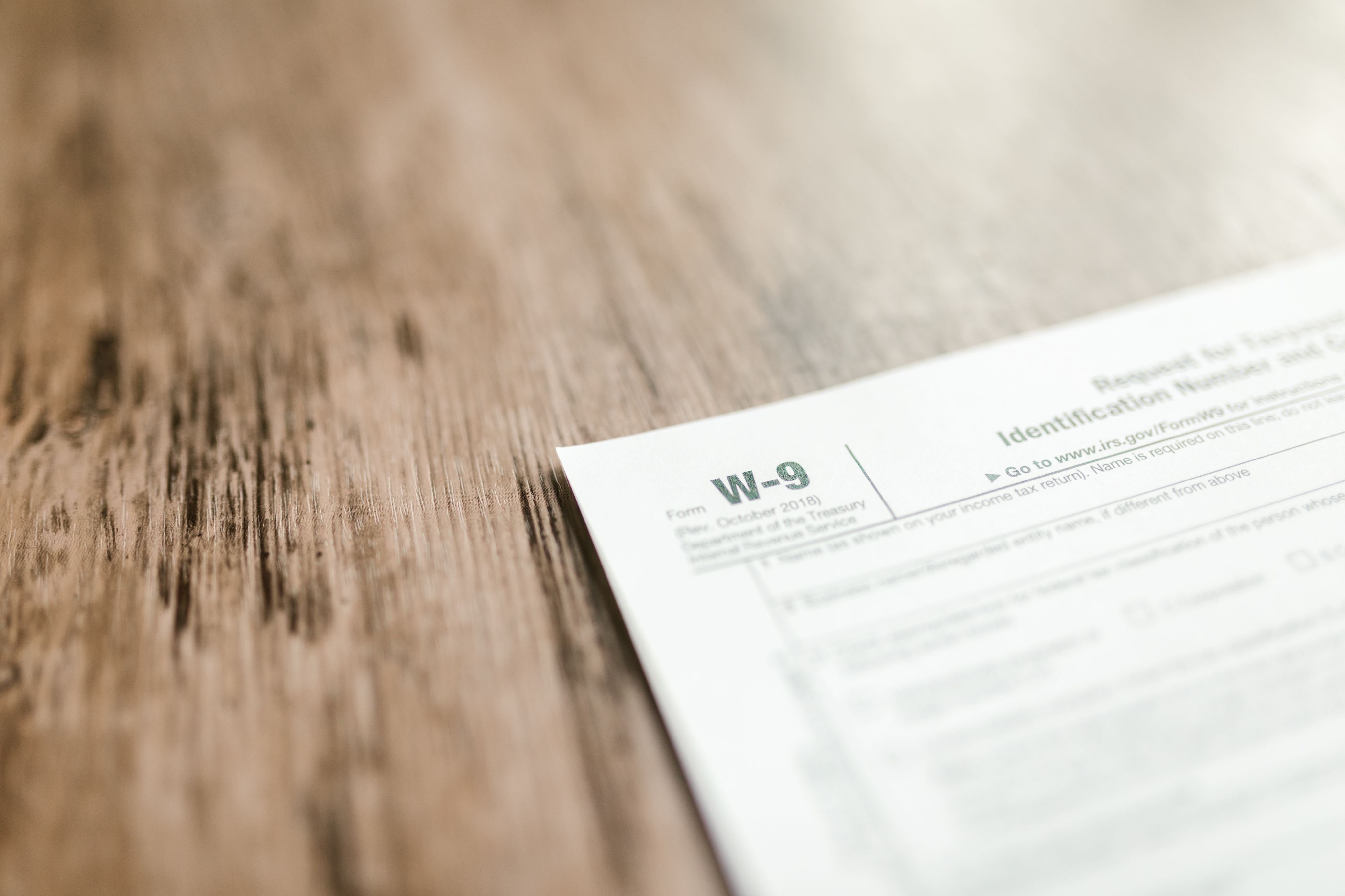
Quick Answer: Proof of income is documentation that verifies a renter's earnings and financial ability to pay rent. Common accepted documents include recent pay stubs, W-2 forms, bank statements, tax returns, and offer letters. Landlords typically require renters to earn 2.5 to 3 times the monthly rent to qualify for a unit. Introduction If you're applying for an apartment for the first time — or even the fifth time — you've almost certainly been asked for proof of income. It sounds straightforward, but the specific documents landlords accept, the income thresholds they use, and what to do if your income is non-traditional can all be confusing. This guide explains exactly what proof of income is, which documents are most commonly accepted, and how to navigate the process whether you're a salaried employee, a freelancer, or somewhere in between. What Is Proof of Income? Proof of income is any verifiable document that demonstrates a renter's ability to pay monthly rent on a consistent, ongoing basis. It allows landlords and property managers to assess financial risk before approving a lease application. Proof of income is typically required during the rental application process and may be requested alongside a credit check and background check. Why Landlords Require Proof of Income Landlords use proof of income to verify that a prospective tenant can afford the rent without financial strain. Most use a standard income-to-rent ratio — typically requiring that your gross monthly income equals at least 2.5 to 3 times the monthly rent . For example, if monthly rent is $1,800, a landlord will likely want to see a gross monthly income of at least $4,500–$5,400. This protects both parties: it reduces the risk of missed payments and helps renters avoid overextending their finances. Most Commonly Accepted Proof of Income Documents Pay Stubs The most widely accepted form of proof of income. Most landlords ask for the two or three most recent pay stubs . These show your employer, pay period, gross income, and deductions. Pay stubs are ideal for W-2 employees with consistent, salaried or hourly income. W-2 Forms A W-2 is an annual wage and tax statement issued by your employer. Landlords often ask for the most recent year's W-2 as supporting documentation alongside pay stubs. Tax Returns (IRS Form 1040) Self-employed renters, freelancers, and contractors frequently use recent tax returns as their primary income verification. The Schedule C (Profit or Loss from Business) section is particularly relevant for showing net income. Most landlords ask for the two most recent years of returns to confirm income consistency. Bank Statements Bank statements serve as a secondary verification tool — or a primary one when other documents aren't available. They demonstrate that income is actually being deposited and that the applicant has adequate cash reserves. Landlords typically request two to three months of recent statements. Employment Offer Letter If you've recently started a new job or have an upcoming start date, a formal offer letter from your employer can substitute for pay stubs. It should include your job title, salary, start date, and be signed by the employer. Social Security or Disability Award Letters For renters whose income comes from Social Security, SSI, or disability benefits, an official award letter from the Social Security Administration is typically accepted as income verification. Pension or Retirement Account Statements Retirees can verify income through pension distribution statements or retirement account withdrawal summaries showing regular distributions. Unemployment Benefits Documentation Some landlords accept unemployment benefits letters as proof of income, particularly for shorter lease terms. Acceptance varies by property and landlord policy. Proof of Income Documents — At a Glance Document Type Best For What It Shows Typically How Many Needed Pay stubs Salaried/hourly employees Gross income, employer info 2–3 most recent W-2 forms W-2 employees Annual wages and taxes Most recent 1–2 years Tax returns (1040) Self-employed, freelancers Net income over time Most recent 2 years Bank statements Anyone; secondary support Deposits and cash reserves 2–3 months Offer letter New employees Future income amount 1 signed letter Social Security award Retirees, disability Monthly benefit amount Current award letter 1099 forms Contractors, freelancers Income from clients Most recent year How to Submit Proof of Income: Step by Step Confirm what the landlord requires. Before gathering documents, ask the property manager exactly which documents they accept and how many months or years they need. Gather your most recent documents. Pull together pay stubs, bank statements, or tax returns based on what was requested. Make sure dates are recent — most landlords want documents from the last 60–90 days. Organize everything clearly. Label files if submitting digitally. If submitting physical copies, keep them in order and make clean photocopies. Do not submit originals unless specifically required. Redact sensitive information where appropriate. Bank statements often contain account numbers. It's reasonable to partially redact account details while leaving income deposits clearly visible. Submit with your full application. Most rental applications are submitted as a package: application form, application fee, credit/background check authorization, and proof of income documents together. Follow up if verification is needed. Some landlords may call your employer to verify income verbally. Give your employer a heads-up and make sure your HR contact information is accurate on your application. Special Situations: Non-Traditional Income Freelancers and Self-Employed Renters Without a traditional employer, proving income requires more documentation. The most effective approach is to provide two years of tax returns (1040 with Schedule C), recent bank statements (3 months minimum), 1099 forms from clients, and a profit and loss statement if you maintain one. Some landlords are uncomfortable with variable income — offering several months of rent upfront or a larger security deposit can sometimes help. Gig Economy Workers Platforms like Uber, DoorDash, and Upwork issue 1099 forms for earnings above $600. Screenshots or PDF exports from your platform's earnings dashboard can supplement formal tax documents. Recent Graduates or First-Time Renters If you don't have a full year of income history, an offer letter plus a co-signer (or guarantor) is often the most effective path forward. A co-signer agrees to be financially responsible if you fail to pay rent, which gives the landlord additional security. Renters with Multiple Income Sources If your income comes from multiple sources — a part-time job plus freelance work plus rental income — document each stream separately. Provide proof for each, and create a simple summary sheet if the combination is complex. Common Mistakes Renters Make with Proof of Income Submitting outdated documents. Pay stubs from six months ago don't reflect your current income situation. Always use the most recent available documents. Forgetting to include all income. If you have side income, rental income, or other sources that help you meet the income threshold, include documentation for all of it. Submitting unclear photocopies or low-resolution scans. Blurry documents create doubt. Use a scanner app or a proper scanner, and confirm readability before submitting. Not disclosing income changes. If your income recently changed — a new job, a raise, or the end of a contract — disclose it proactively and provide the relevant documentation. What If You Don't Meet the Income Requirement? Get a co-signer. A parent, family member, or trusted individual with qualifying income agrees to take on financial responsibility if needed. Offer additional security. Some landlords will accept a larger security deposit — sometimes equal to two or three months' rent — in lieu of meeting the standard income ratio. Show strong savings. Significant savings in a bank account can sometimes offset a lower income figure. A bank statement showing six to twelve months of rent in reserves is compelling to many landlords. Get a roommate. Combined household income from two or more applicants may meet the threshold even if neither person qualifies alone. FAQ What is typically accepted as proof of income for renting an apartment? The most commonly accepted documents are recent pay stubs (two to three months), W-2 forms, federal tax returns, and bank statements. Self-employed renters typically use tax returns plus bank statements. Landlords may also accept offer letters, Social Security award letters, or pension statements depending on your income source. How much income do I need to rent an apartment? Most landlords require gross monthly income of 2.5 to 3 times the monthly rent. For a $1,500/month apartment, you would typically need to show at least $3,750–$4,500 in gross monthly income.  Can I use a job offer letter as proof of income? Yes, in many cases. A signed offer letter that clearly states your start date, job title, and salary is widely accepted — especially for renters who have recently changed jobs or are starting a new position before moving. Some landlords may also ask for a bank statement as a supplement. What can I use as proof of income if I'm self-employed? Self-employed renters typically provide two years of federal tax returns (Form 1040 with Schedule C), recent bank statements, and 1099 forms. A profit and loss statement can help if your income fluctuates. Be prepared to explain income variation across years if asked. Is it safe to share bank statements with a landlord? It's a standard practice, but reasonable precautions are appropriate. You may redact full account numbers while keeping transaction history and deposit information visible. Submitting documents through a secure portal is preferable to email whenever possible. What happens if I don't have proof of income? If you can't provide standard proof of income, options include bringing a co-signer, offering a larger security deposit, or demonstrating substantial savings through bank statements.  Conclusion Proof of income is one of the most important parts of any rental application — and being prepared with the right documents makes the whole process faster and less stressful. Whether you're a salaried employee with clean pay stubs or a freelancer piecing together multiple income streams, there are accepted paths forward for every situation. Know what documents you have, understand what the landlord needs, and submit everything clearly and completely. That preparation is often what separates an approved application from a delayed one.

Read more
What's Normal Wear and Tear vs. Damage in an Apartment?-image

  Quick Answer Normal wear and tear refers to minor deterioration that happens through everyday, reasonable use of an apartment over time — things like small nail holes, faded paint, and carpet flattening. Damage, by contrast, results from negligence, accidents, or misuse — like large holes in walls, stained carpets, or broken fixtures. Landlords generally cannot deduct wear and tear from your security deposit. The phrase "normal wear and tear" appears in almost every residential lease — but most renters don't fully understand what it means until move-out day, when a security deposit deduction arrives that they weren't expecting. Understanding this distinction before you move out — or ideally, before you move in — can save you hundreds of dollars and a lot of frustration. This guide breaks down the difference clearly, with real examples, a comparison table, and the steps you can take to protect your deposit from the start. What Is Normal Wear and Tear? (Definition) Normal wear and tear is the gradual, unavoidable deterioration of an apartment that results from ordinary, everyday living over time. It's the kind of aging that happens even when a tenant is careful and responsible. Under U.S. landlord-tenant law, landlords generally cannot charge tenants for normal wear and tear when they move out — only for damage that goes beyond what's expected with normal use. The standard varies slightly by state, but the core principle is consistent across most jurisdictions: tenants are responsible for leaving the unit in the same condition they found it, minus ordinary wear. What Counts as Damage? Damage refers to harm to the property that goes beyond what normal, responsible use would cause. It typically results from negligence, accidents, misuse, or intentional acts. Landlords are legally permitted to deduct the cost of repairing damage — above normal depreciation — from the tenant's security deposit. The key question courts and arbitrators ask is: Would a reasonably careful tenant living normally have caused this? If the answer is no, it's likely damage. Side-by-Side Comparison: Wear and Tear vs. Damage Area Normal Wear and Tear Tenant Damage Walls and Paint Small nail holes from hanging pictures; minor scuffs; paint fading with age Large holes, gouges, crayon or marker drawings, unauthorized paint color Carpet Light wear patterns in high-traffic areas; minor flattening of pile Stains from spills or pets; burns; tears; damage from pet claws Flooring Light surface scratches from normal foot traffic and furniture Deep gouges, broken tiles, warped hardwood from water or pet accidents Doors and Hardware Loose hinges from regular use; minor finish wear on handles Holes in doors, broken locks, missing hardware, damaged door frames Windows Stuck or drafty windows due to age; minor condensation marks Cracked or broken glass; damaged window frames; missing screens Appliances Normal appliance aging; minor interior discoloration from use Broken knobs, shattered glass stovetop, heavy grease buildup, missing racks Bathroom Mild soap scum, light grout discoloration, minor caulk deterioration Cracked toilet, broken towel bar, mold from improper ventilation use Blinds and Window Coverings Fading from sunlight; dust accumulation Bent or broken slats; missing blinds; torn shades Step-by-Step: How to Protect Your Security Deposit Do a thorough move-in inspection. Walk every room on day one and photograph everything — walls, floors, appliances, inside cabinets, fixtures. Date-stamp your photos. This is your baseline record. Document existing damage in writing. Use your landlord's official move-in checklist if one is provided. If not, create your own and email it to your landlord. A written record with timestamps is far more defensible than verbal statements. Know your lease terms. Read the section on security deposits carefully. Note any specific obligations — professional carpet cleaning, repainting, nail hole patching — that your lease may require at move-out. Report maintenance issues promptly. If a faucet starts leaking or an appliance stops working, report it in writing. Email creates a record. Unreported issues that worsen over time can become contested damage claims at move-out. Keep a record of all repairs and maintenance requests. Save every email or maintenance request confirmation throughout your tenancy. Do a pre-move-out walkthrough. Many landlords will conduct a pre-move-out inspection if you request one. This gives you a chance to address anything before your final departure rather than being surprised by deductions afterward. Clean thoroughly before leaving. Cleaning costs are one of the most common deductions. Pay particular attention to appliances, bathroom grout, and inside cabinets. Request an itemized statement. If your landlord deducts from your security deposit, most states require an itemized list with receipts within a specific timeframe — typically 14–30 days. Know your state's timeline. How State Laws Shape the Definition Security deposit law is primarily governed at the state level. The wear and tear principle is nearly universal across all U.S. states, but key rules differ: Maximum deposit amount: Some states cap security deposits at one or two months' rent Return timeline: Ranges from 14 days (Georgia) to 45 days (Indiana) after move-out Interest requirements: Some states (including New York and New Jersey) require landlords to pay interest on held deposits Itemization requirements: Most states require a written itemized list; some require receipts The Nolo Legal Encyclopedia maintains a state-by-state security deposit guide that is regularly updated and reliable for basic reference. For serious disputes, consulting a local tenant rights organization or attorney is advisable. Important: If you believe your landlord has wrongfully withheld your security deposit, many states allow tenants to sue in small claims court for two or three times the withheld amount as a penalty. Document everything and act within your state's statute of limitations. What About Carpet and Paint Depreciation? This is one of the most disputed areas. In most states, carpets and paint have an expected useful life — typically 5–7 years for carpet and 3–5 years for interior paint. If either is past this expected lifespan when you move in, a landlord cannot charge you to replace them at full cost when you move out. If you lived in a unit for 3 years and the carpet was already 4 years old when you moved in, and it's now 7 years old (the typical end of useful life), a reasonable landlord cannot charge you for new carpet — even if it shows wear. Note: This depreciation rule differs by state. In California, for example, courts have consistently held that landlords cannot charge for full carpet replacement if the carpet was nearing the end of its useful life. Check your state's specific guidance through a tenant rights organization. Gray Areas: What's Not Always Clear-Cut Some situations genuinely fall between wear and damage, and these are where disputes most often arise: Multiple small nail holes in unusual patterns or quantity. A few standard picture-hanging holes are typically wear and tear. Dozens of holes from a gallery wall installation is more likely considered damage. Pet-related markings on walls or floors. Light scratches from a small pet on a doorframe may be wear and tear. Deep claw marks or chewing damage is damage. Bathroom mold. Surface mold from inadequate ventilation could be attributed to either party, depending on whether the exhaust fan was functional and whether the tenant reported the issue. Appliance wear from heavy use. A stovetop with heavy grease buildup is typically tenant responsibility. Cosmetic wear from years of normal cooking is not. Common Mistakes Renters Make at Move-Out Not photographing the unit at move-in and assuming their word will suffice Failing to request a pre-move-out walkthrough Not cleaning appliances, inside cabinets, or behind the stove before leaving Leaving personal items behind and assuming they'll be handled without charge Not following up when the security deposit isn't returned within the required timeline Assuming verbal agreements with landlords protect them — always get agreements in writing Frequently Asked Questions Can a landlord charge me for repainting when I move out? Generally no, if the paint simply faded or shows normal aging over a typical lease. Landlords can charge for repainting only if the tenant caused damage beyond normal use — such as large stains, unauthorized painting, or extensive marks. Interior paint typically has a useful life of 3–5 years, after which repainting is considered routine maintenance. Are small nail holes from hanging pictures considered damage? In most states and under most lease agreements, small nail holes from hanging standard pictures or artwork are considered normal wear and tear, not damage. However, very large holes, excessive quantities of holes, or holes in unusual locations may be treated differently. Check your specific lease language and local laws. What if my landlord doesn't return my security deposit on time? If your landlord misses the required return deadline — typically 14 to 30 days after move-out depending on the state — most states allow you to sue for the full deposit amount plus penalties, often two to three times the withheld amount. Send a formal written demand letter first, then escalate to small claims court if unresolved. Does carpet cleaning always come out of the security deposit? Not automatically. Routine carpet cleaning at the end of a tenancy is often considered normal wear and tear, unless your lease specifically requires professional cleaning upon move-out. Heavily soiled carpet, stains, or pet odors, however, are typically tenant responsibility regardless of lease language. What resources can renters use to understand their rights? State tenant rights organizations, legal aid societies, and the Nolo Legal Encyclopedia (nolo.com) offer reliable state-specific guidance. HUD's website (hud.gov) covers federal fair housing and renter protections. Many cities also have tenant advocacy organizations that offer free consultations or hotlines for renters facing deposit disputes. Can my landlord deduct for a dirty oven when I move out? Yes — a genuinely dirty oven that requires professional cleaning is typically considered tenant responsibility, not normal wear and tear. Clean all appliances thoroughly before your final walkthrough to avoid this deduction. Light use marks inside the oven, however, are generally wear and tear. Conclusion The difference between normal wear and tear and actual damage isn't always obvious, but understanding the distinction clearly is one of the most valuable things a renter can know. It affects how you approach move-out, how you document your unit, and whether you walk away with your deposit intact. Document everything at move-in, communicate maintenance issues in writing, and leave the unit clean and cared for. For state-specific guidance, visit Nolo's security deposit resources or contact a local tenant rights organization. At 4060 Preferred Place , we believe in transparent, fair renting — and an informed tenant is the foundation of that relationship.  

Read more
Best Community Amenities to Look For in One-Bedroom Apartments-image

Quick Answer The most valuable community amenities for one-bedroom renters are those that replace everyday expenses: in-unit or on-site laundry, fitness centers, high-speed internet infrastructure, secure package lockers, and covered parking. Amenities that add social value — co-working lounges and outdoor spaces — matter most for remote workers and those who spend significant time at home. You've found a one-bedroom apartment that fits your budget. The listing says "resort-style amenities." But what does that actually mean for your day-to-day life? Community amenities can genuinely improve your quality of life — or they can be expensive window dressing you'll use twice a year. Knowing which features matter for your lifestyle before you sign saves you from paying for things you don't need, or missing ones you'll wish you had. What Is a Community Amenity? A community amenity is any shared facility, service, or feature provided by an apartment community beyond the individual unit itself. Amenities can be physical spaces such as pools, gyms, and lounges, services such as package delivery or concierge support, or utilities such as high-speed internet and EV charging. They're usually included in rent or covered by a monthly amenity fee, though some — like reserved parking — may cost extra. Before comparing amenities, it also helps to review the ways you can save on apartment utilities , since electricity, heating, cooling, and internet can affect your total monthly housing cost. Why Amenities Matter More in One-Bedroom Apartments In a one-bedroom unit, space is limited by definition. Community amenities effectively extend your living area. A well-equipped resident lounge becomes your home office. A rooftop deck becomes your outdoor space. A fitness center replaces a gym membership. For solo renters, the right amenities also create community — something a small unit can't provide on its own. The Amenities That Actually Make a Difference 1. In-Unit Washer and Dryer or On-Site Laundry Consistently ranked as the top amenity by renters across the U.S. In-unit laundry saves time, money on laundromat trips, and the hassle of scheduling around shared machines. If the unit doesn't have in-unit laundry, look for modern, well-maintained on-site facilities accessible 24 hours. 2. Fitness Center A gym membership in a major U.S. city can run $30 to $100 per month. An on-site fitness center eliminates that cost and removes the commute. Quality matters — a few treadmills in a windowless room isn't the same as a well-equipped facility with free weights, cardio machines, and natural light. 3. High-Speed Internet Infrastructure Remote and hybrid workers need reliable connectivity. Look for communities that offer fiber-ready infrastructure or include internet in rent. The Federal Communications Commission broadband speed guide can help you understand what internet speeds may be suitable for streaming, video calls, gaming, and working from home. 4. Secure Package Lockers Package theft is a real problem. Communities with 24/7 package lockers — systems like Amazon Hub, Luxer One, or Parcel Pending — let you receive deliveries securely even when you're not home. The U.S. Postal Inspection Service also shares practical tips for reducing mail and package theft risk. 5. Co-Working Lounge or Business Center For remote workers, a quiet shared workspace is transformative. The best versions have private work pods, reliable Wi-Fi, conference rooms, and printer access. Even if you work in an office, a quiet space away from your bedroom has real value. 6. Covered or Garage Parking In dense urban areas, parking can cost $100–$300 per month separately. Covered or garage parking protects your vehicle from weather and theft. Confirm whether it's included in rent or an add-on — and whether guest parking is available. 7. Pet-Friendly Spaces If you have a dog, on-site dog parks or pet-washing stations significantly affect your daily routine. Check pet policies for breed or weight restrictions, monthly pet fees, and deposit requirements before applying. 8. Outdoor Spaces Rooftop decks, courtyards, grilling stations, and fire pits extend your usable living space. For one-bedroom renters without private outdoor areas, well-maintained shared outdoor spaces provide fresh air and a change of setting that a small unit simply can't offer. Amenity Value Comparison for One-Bedroom Renters Amenity Who Benefits Most Real-World Value Priority In-unit laundry Everyone Saves $50–$100/mo Essential Fitness center Active renters Saves $30–$100/mo gym fee High Package lockers Frequent online shoppers Security + convenience High Co-working lounge Remote / hybrid workers Replaces café or coworking space High, WFH Pool Warm-climate residents Lifestyle, social Medium EV charging Electric vehicle owners Saves charging trips Medium Rooftop / outdoor Social renters Extends living space Medium Dog park / pet wash Pet owners Daily quality of life High, pet owners Concierge / valet Luxury renters Convenience Low–Medium Amenities That Sound Great but Rarely Get Used Movie screening rooms — Used for group events, rarely solo viewing. Golf simulators — Only relevant if you golf regularly. Wine storage lockers — Niche feature for a small minority of renters. Massage rooms — Nice on paper, but actual usage rates tend to be low. If you're paying an amenity fee, ask the leasing team which amenities residents use most. That's a more honest signal than any marketing brochure. Questions to Ask During Your Apartment Tour Are all listed amenities currently operational, or are some under renovation? Are there extra fees for any amenities — pools, parking, package lockers, pet areas? What are the hours of access for the gym, lounge, and outdoor spaces? How is the co-working lounge managed — open access or reservations required? What is the guest policy for shared amenity areas? Frequently Asked Questions Are apartment amenities included in rent? Most standard community amenities — fitness centers, lounges, pools, outdoor spaces — are included in rent. However, some features like reserved parking, storage units, EV charging, or premium package locker services may carry an additional monthly fee. Always confirm what's included before signing your lease. What amenities are most important for remote workers? Remote workers benefit most from reliable high-speed internet infrastructure, a co-working lounge with private work areas, and good noise insulation. A business center or conference room for video calls is also valuable, as is 24-hour access to common spaces so you can work on your own schedule. Do amenities raise rent prices? Yes, generally. Communities with more extensive amenity packages tend to charge higher base rents or add a monthly amenity fee. However, the net cost may be neutral or lower once you factor in savings — no gym membership, no laundromat trips, and potentially lower costs from covered parking. For utility-related savings, the U.S. Department of Energy's Energy Saver guide can also help renters understand how energy efficiency affects monthly costs. Is a pool a good amenity for a one-bedroom renter? It depends on your climate and lifestyle. In warm-weather markets, a well-maintained pool is a genuine quality-of-life feature used regularly. In cooler climates, a pool may only be accessible 3–4 months per year, making it less valuable relative to any rent premium it carries. Conclusion The best community amenities for a one-bedroom apartment are the ones you'll use every week — not the ones that sound impressive on a brochure. Prioritize laundry, fitness access, strong internet, and package security. Add social and lifestyle features based on how you actually live.

Read more
How to Save on Utilities | 4060 Preferred Place-image

Quick Answer: The best way to save on utilities is to lower energy use with smart habits and upgrades, such as using LED lights, setting efficient thermostats, fixing leaks, and unplugging idle devices. These small changes can cut your bills without changing your lifestyle. 1. Adjust Your Thermostat Wisely Heating and cooling are usually the biggest pieces of your utility bill. In summer, set your thermostat a little higher when you are home and higher still when you are away or sleeping. In winter, do the opposite: keep it a bit lower when you are home and even lower when you are out. Even a 3–5 degree change can lead to noticeable savings over time. If your apartment allows it, a programmable or smart thermostat can automate this and make saving even easier. According to RentCafe , simple thermostat habit changes are one of the most effective ways to reduce energy use. 2. Use LED Light Bulbs LED bulbs use up to 75% less energy than traditional incandescent lights and last much longer. Swapping out old bulbs in lamps, ceiling fixtures, and under‑cabinet lighting can cut your electricity use significantly. This is a low‑cost, high‑impact upgrade that requires no permanent changes. Replace bulbs as they burn out so you spread the cost over time. A few modern bulbs can quietly make a big difference in your monthly bill. 3. Turn Off or Unplug Idle Devices Many electronics and chargers keep drawing power even when not in use. This “phantom load” adds up over time. Unplug chargers, extra TVs, game consoles, and appliances you do not use daily, or connect them to power strips you can switch off. Simple habits like turning off lights as you leave a room and unplugging small appliances such as toasters or microwaves can also help. Over time, these habits create noticeable savings. Using power strips and unplugging idle devices is one of the easiest ways to reduce hidden energy use. 4. Use Cold Water When Possible Hot water uses extra energy, so try to wash clothes in cold water whenever the load allows. Many modern detergents work well with cold water and can help your clothes last longer too. You can also shorten dishwasher cycles and avoid using high‑heat drying when you do not need it. Every small heat‑saving choice adds up over time. Cold‑water washing is a simple habit that cuts energy without changing your routine much. 5. Fix Leaks and Optimize Water Use Dripping faucets and slow leaks can waste significant amounts of water and raise your bills. If you notice a leak, notify maintenance as soon as possible so it can be repaired. You can also save water by using shorter showers, turning off the tap while brushing your teeth, and only running the dishwasher or washing machine with full loads. These habits help both water and energy use. Fixing leaks and using water consciously are two of the easiest ways to reduce utility costs. 6. Use Energy‑Efficient Window Treatments Curtains, blinds, or shades can help keep your apartment cooler in summer and warmer in winter. Light‑colored curtains or blinds block some of the sun’s heat, while closed shades at night can help retain warmth. In Dallas, where summers are hot and winters can be cool, even small window adjustments can reduce how much you rely on your HVAC system. Combining this with a sensible thermostat makes a strong impact. Simple window treatments can improve comfort and efficiency without costly upgrades. 7. Dress for the Season Wearing a light sweater in the winter or light clothing in the summer can help you accept a slightly less extreme indoor temperature. That means you do not need to crank the heat or AC as high or as often. Dressing for the weather also reduces stress on your HVAC system and helps your energy use stay lower. It is a simple, free adjustment that works well in most apartments. A small change in how you dress can make a big difference in your comfort and your bills. Why Saving on Utilities Matters For many renters, utilities are the second‑biggest monthly cost after rent. Cutting back on energy and water use can free up money for savings, travel, or other priorities. Even modest changes can add up over the course of a year. At 4060 Preferred Place , using renter‑friendly energy‑saving strategies can help you keep your apartment comfortable while also keeping your budget under control. Saving on utilities is one of the easiest ways to improve your monthly cash flow. Every small habit that reduces energy and water use can contribute to a lighter bill. Featured Snippet Style Definition How can I save on utilities in my apartment? Save on utilities by using LED lights, adjusting your thermostat, unplugging idle devices, washing in cold water, fixing leaks, using smart window treatments, and dressing for the season. Step‑by‑Step Guide Adjust your thermostat to a more efficient setting. Replace old bulbs with LED lights. Unplug devices you are not using. Wash clothes and dishes on energy‑saving settings. Fix leaks and be mindful of water use. Use curtains and blinds to manage heat. Comparison Table Saving Tip Main Benefit Best Result Thermostat adjustment Reduces HVAC usage Lower electric bill LED bulbs Cuts lighting use Long‑term savings Unplugging devices Reduces phantom load Less wasted energy Cold‑water washing Uses less heat energy Smaller utility bill FAQ What is the easiest way to save on utilities? Start by adjusting your thermostat, turning off lights, and unplugging idle devices. Do LED bulbs really save money? Yes. They use less energy and last much longer, so they reduce both usage and replacement costs. How much can smart thermostats save? They can cut heating and cooling usage enough to reduce energy bills by a noticeable amount over time. Should I fix small leaks right away? Yes. Even small leaks can waste water and raise your bills over time. Can my water use affect my electric bill? Yes, if you heat a lot of water for showers or laundry. Conclusion Saving on utilities does not require drastic changes. Simple habits like smarter thermostat settings, using LED bulbs, unplugging devices, and fixing leaks can all contribute to a lower monthly bill. If you live at 4060 Preferred Place , these renter‑friendly energy‑saving tips can help you stay comfortable while keeping your utilities more affordable.

Read more
What Is a Duplex Apartment? Everything You Need to Know | Preferred Place-image

Quick Answer: A duplex apartment is a residential unit or building with two separate living spaces. These units are usually arranged either side by side or on two floors, and each one has its own entrance, kitchen, bathroom, and living area. For a broader overview of duplex living, you can also read Apartments.com’s guide to duplex apartments . A duplex can be a good choice for renters who want more privacy, more space, or a layout that feels less traditional than a standard apartment. How a Duplex Works In simple terms, a duplex is a building with two separate homes inside it. The two units may be stacked one above the other or placed next to each other, depending on the design. Each unit is typically self-contained, with its own living space and private entrance. This setup gives residents a more independent feel than a typical apartment in a larger complex. In many cases, duplexes also offer a little more separation between neighbors, which can make daily living feel quieter and more private. That is one of the main reasons many renters like this housing type. Some duplexes are rented by one owner who lives in one unit and leases the other, while others are fully rental properties. Duplex vs. Apartment A duplex is different from a standard apartment because it usually has only two units in the building. A regular apartment building may have many units, shared hallways, and more common areas. A duplex often feels more personal and less crowded. Duplexes also tend to feel more like a house than a traditional apartment. They may offer more square footage, more privacy, and sometimes even a yard or shared outdoor area. That can make them appealing to renters who want a more residential atmosphere. If you want a simple way to compare the two: a duplex is usually a two-unit home, while an apartment is one unit in a larger multi-unit building. Common Duplex Layouts Duplexes usually come in two main layouts. The first is a side-by-side layout, where the two units share a wall. The second is a stacked layout, where one unit is on the upper floor and the other is on the lower floor. Some duplex apartments may also include multiple floors within a single unit, especially in markets that use the word "duplex" to describe two-level apartments. In those cases, the space may feel more like a townhouse or loft-style home. The exact layout can vary depending on the building and location. Because of that, it is always important to review the floor plan carefully before deciding whether a duplex is the right fit. Why Renters Choose Duplexes Many renters choose duplexes because they offer a balance between privacy and affordability. They often provide more space than a typical apartment without the full cost of a detached home. This makes them attractive to small families, couples, or roommates. Duplexes can also feel quieter and more comfortable than larger apartment communities. With fewer neighbors and a more house-like layout, residents may enjoy a more relaxed living experience. That can be a major advantage for people who want extra breathing room. For renters who want comfort without sacrificing convenience, a duplex can be a strong option. Things to Check Before Renting Before renting a duplex, it helps to ask a few practical questions. Find out whether utilities are separate, whether outdoor space is shared, and how maintenance is handled. You should also confirm whether parking is included and whether the unit has its own entrance. Noise transfer is another important factor. Since duplex units share at least one wall or a floor/ceiling, sound control can matter more than it does in some other homes. Understanding the layout and rules ahead of time can prevent surprises later. It is always smart to evaluate both the space itself and the living arrangement around it. Why It May Fit Your Lifestyle A duplex can be a great middle ground between apartment living and a single-family home. It usually gives you more space, more privacy, and a more residential feel while still keeping rental life simple. That balance is why many renters find it appealing. If you are looking at Preferred Place , thinking about how you want to live day to day can help you decide whether a duplex-style layout makes sense for you. The best home is one that matches your needs, budget, and comfort level. For many people, a duplex offers just the right mix of independence and convenience. Featured Snippet Style Definition What is a duplex apartment? A duplex apartment is a two-unit residential building or a two-level living space, usually with separate entrances and private living areas for each unit. Step-by-Step Guide Review the duplex layout. Check whether the unit is side by side or stacked. Confirm the entrance, parking, and utility setup. Ask about shared outdoor space and maintenance. Compare the duplex to other apartment options. Comparison Table Housing Type Main Feature Typical Feel Duplex Two separate units in one building More private and house-like Apartment One unit in a larger building More community-oriented Townhouse Multi-level home with shared walls Residential and spacious FAQ Is a duplex the same as an apartment? No. A duplex usually has only two units, while an apartment is typically part of a larger building with many units. Do duplex apartments have separate entrances? Yes, most duplex units have their own separate entrance. Are duplexes more private than apartments? Often yes, because there are fewer neighbors and a more independent layout. Can a duplex have two floors? Yes, some duplexes are arranged vertically, with one unit above the other. Why do people choose duplexes? People often choose duplexes for extra space, privacy, and a more home-like feel. Conclusion A duplex apartment offers a unique blend of privacy, space, and convenience. It can feel more like a house than a traditional apartment while still giving renters the flexibility they want. If you are exploring options at Preferred Place , knowing what a duplex apartment is can help you decide whether this style of home fits your lifestyle better than a standard rental.

Read more