4060 Preferred Place Blog | Living in Redbird, Dallas TX

Small-Space Living: Smart Storage for 1 & 2 Bedrooms-image

Quick Answer: Small-Space Living works when every item earns its spot and unused vertical space starts pulling its weight. The best storage for small spaces in a 1 or 2 bedroom apartment combines under-bed bins, over-door racks, wall shelves, and dual-purpose furniture like storage ottomans. Anchor tall pieces to the wall, keep walkways clear, and edit your belongings twice a year. Small-Space Living rewards anyone willing to think vertically and edit ruthlessly. In a one or two bedroom apartment, smart storage is the line between cramped and cozy. At 4060 Preferred Place , our community serving the Redbird area of southwest Dallas along the I-20 corridor, renters ask about this all the time. The good news: most of the fixes below take an afternoon. What Small-Space Living Means in a 1 or 2 Bedroom Apartment Small-Space Living is the practice of organizing a compact home so it feels open and calm instead of crowded. In a one or two bedroom apartment, that means treating walls, doors, and the area under your bed as real storage. Good apartment storage starts with subtracting what you never use. Layout matters more than raw square footage. A well-designed one bedroom can out-store a poorly planned two bedroom, so it pays to compare the one and two bedroom floor plans before you sign. The right footprint gives your storage plan a head start. How Do You Maximize Storage for Small Spaces? You maximize storage for small spaces by going up, not out. Floors fill fast, yet most apartments waste the vertical foot of wall above shelves, doors, and cabinets. Add height with tall bookcases, stackable bins, and over-door organizers. Then reserve the floor for furniture that does two jobs at once. Vertical Storage Ideas Renters Can Install and Remove Renting limits what you can drill, so lean on damage-free hardware. Adhesive hooks and strips hold coats, keys, and light shelves without touching your deposit. A tension rod turns the gap under a sink into a hanging rail for spray bottles. Over-door racks add a full pantry or a shoe wall to a door you were ignoring. Best of all, these storage ideas come down clean and leave no holes on move-out day. One caution with tall pieces. Bookcases and dressers can tip, especially in a home with kids or pets. The U.S. Consumer Product Safety Commission's Anchor It! program recommends securing any furniture with drawers, doors, or shelves to a wall stud. Since September 2023, a federal STURDY Act standard has required new clothing storage units to pass stricter stability tests, but anchoring is still the reliable fix. Anti-tip kits run under $20 and install in about twenty minutes. Creative Storage Solutions for Closets and Corners Closets in older apartments often have a single rod and one shelf, which wastes half the height. A second hanging rod instantly doubles the room for shirts and folded pants. Corners are the other forgotten zone. Wrap them with a slim ladder shelf or a lazy-Susan bin so nothing gets lost in the back. These creative storage solutions turn dead space into a home for the things you reach for weekly. Add stick-on LED strips inside a dark closet and the whole system gets easier to use, a small upgrade that makes Small-Space Living feel intentional instead of cramped. Room-by-Room Small Apartment Storage Small apartment storage works best when you solve one room at a time instead of buying bins in bulk. Each room hides different dead space. The bedroom loses the area under the bed, the kitchen wastes cabinet height, and the bathroom ignores the wall above the toilet. Match the fix to the room and the money goes further. Room Space you waste Best storage fix Typical cost Bedroom Under the bed Rolling bins plus bed risers $15 to $40 Kitchen Cabinet and counter height Shelf risers, magnetic spice strip $10 to $30 Bathroom Wall above the toilet Over-toilet shelf unit $25 to $60 Living area Vertical wall space Floating shelves, storage ottoman $20 to $80 Entryway Back of the door Over-door hooks and a mail rack $10 to $25 Whole apartment Clutter you never use A twice-yearly declutter Free Small Apartment Storage Ideas for the Bedroom The bedroom holds the most reclaimable space in most units. Bed risers lift the frame a few inches and open room for flat bins of off-season clothes or shoes. Vacuum-seal bags shrink bulky comforters to a fraction of their size. Swap a chunky nightstand for a floating shelf and a wall sconce. These small apartment storage ideas free the floor and make the whole room read larger. Simple Storage Solutions for the Kitchen and Bathroom Kitchens and bathrooms reward small, cheap fixes. Shelf risers double a cabinet's usable height, so plates and cans stop stacking into a wobbling tower. A tension rod under the sink hangs cleaning bottles and clears the cabinet floor. In the bath, an over-the-toilet shelf uses the wall nobody thinks about. These simple storage solutions cost little and take minutes to set up. Storage does not stop at your front door either. Shared community features take pressure off your square footage. When the property has a fitness center, you skip bulky home gym gear, and a clubhouse covers gatherings you would otherwise cram into the living room. It is worth a look at the community amenities when you weigh how much you truly need to store at home. Smart Small-Space Living treats the whole community as part of your floor plan, not just the four walls of your unit. Frequently Asked Questions 1. How can I add storage to a small apartment without losing my deposit? Stick to damage-free methods that leave no holes. Renter-safe options include: Adhesive hooks and removable strips for coats, keys, and light shelves Tension rods inside cabinets, closets, and window frames Over-door racks that hang without any hardware Freestanding shelves and rolling carts you take with you Save the drilling for anchoring tall furniture to a stud, which safety guidance still recommends. 2. What are the best small spaces storage buys for under $50? Under $50, the highest-value small spaces storage buys are usually under-bed bins, a pack of adhesive hooks, an over-door organizer, and a two-tier shelf riser. Together they run roughly $40 and reclaim space in the bedroom, closet, and kitchen at once. Start there before you spend on furniture. 3. Which small flat storage ideas work best in a one bedroom? The small flat storage ideas that translate best to a one bedroom are vertical and dual-purpose. A tall bookcase, a storage ottoman, a bed with drawers, and a second closet rod give a single room the capacity of a larger one. Anchor that bookcase to the wall for safety. 4. Is a 1 bedroom or 2 bedroom apartment better for storage? Layout decides this more than square footage. A two bedroom adds a spare room you can turn into a walk-in closet or a storage office, while a well-planned one bedroom with generous closets often holds just as much for lower rent. Count closets and wall space, not just rooms. 5. How do I stop a small apartment from feeling cluttered? Clutter is usually a visibility problem. Give every item one home, keep flat surfaces mostly clear, and store lookalike things together so the eye can rest. A twice-yearly edit, donating what you have not touched in a year, keeps storage from overflowing. Open sightlines make any small apartment feel larger. Small-Space Living, Made Simple Small-Space Living is less about square footage and more about how well you use walls, doors, and the space under your bed. Start with a declutter, add vertical storage, then pick furniture that pulls double duty. Renters across the Redbird area and greater southwest Dallas make compact one and two bedroom apartments feel roomy every day. If you are weighing a move, reach out to the leasing team at 4060 Preferred Place to find a layout your storage plan will love.

Read more
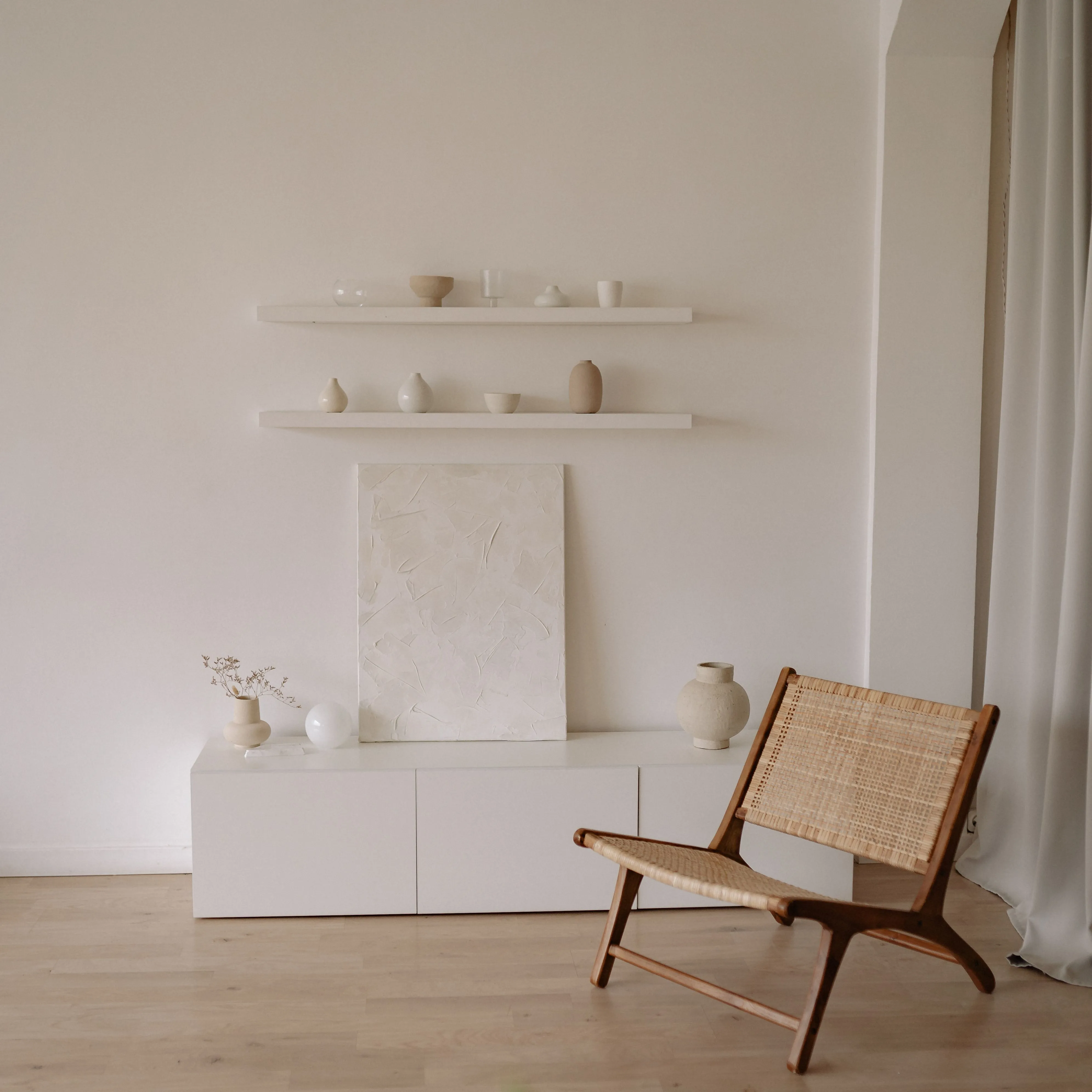

Decorating a Rental on a Budget: Smart No-Paint Ideas-image

Quick Answer: Decorating a rental on a budget comes down to reversible, high-impact changes that never touch a paintbrush. Renters who can't paint can transform a space with peel-and-stick wallpaper, layered rugs, plug-in lighting, and damage-free wall art, all for less than the cost of new furniture, with your deposit intact. A blank rental doesn't have to stay beige. For renters at 4060 Preferred Place in the Redbird area of southwest Dallas , decorating a rental on a budget means working with what you can change instead of what you can't. Skip the paint, keep your deposit, and still end up with a place that feels like yours. What Decorating a Rental on a Budget Really Means Decorating a rental on a budget means investing in movable, reversible pieces that lift a room without altering the building: oversized rugs, plug-in lamps, curtains on tension rods, and removable finishes. As of 2026, renter-decor guides rank these upgrades as the biggest visual shift a renter can make. They travel to your next home and never trigger a repainting charge. The mindset matters more than the dollar figure. Apartment decorating on a budget works when your money goes toward pieces that move with you and cover a rental's weak spots without creating new ones. The whole point of decorating a rental on a budget is that nothing you do is permanent. How Do You Decorate an Apartment Without Painting? You decorate without painting by adding color and texture at the surface level, not the wall level. Peel-and-stick wallpaper, wall decals, fabric panels, and gallery walls hung with adhesive strips bring pattern to a blank wall. None of it needs a landlord's sign-off, and all of it comes down cleanly when your lease ends. Decorating a rental on a budget starts with reading your lease. Many communities spell out decorating rules, and a quick check tells you what's fair game before you commit. The USAGov guide to tenant rights and rental rules is a solid starting point if you want to know exactly where you stand. Renter Friendly Decor That Protects Your Deposit Damage-free hooks and adhesive strips are a renter's best friend for hanging art and mirrors. One honest caveat: pull them wrong and you'll take a chip of paint with them. Clean the wall first, respect the weight limit on the package, and remove each strip slowly by pulling straight down so the adhesive stretches instead of tearing. Peel-and-stick wallpaper works the same way. It's the highest-impact renter friendly decor you can buy, and in 2026 most removable murals peel off in one sheet with no residue. Save these apt decorating tips for move-out day, when a clean wall stands between you and a full refund. Apartment Decorating Ideas for Instant Color Color is the fastest way to make a rental feel intentional, and textiles carry most of the load. Layer an area rug over builder-grade flooring, hang curtains high on tension rods, and repeat two or three colors across throws and pillows so the room reads as designed. Plants do the same job: a few pots, a hanging planter, or a shelf of greenery warm up a plain unit fast. These apartment decorating ideas cost little and undo in minutes. For more apartment style ideas, a bold shower curtain or framed prints can shift a whole room's mood for the price of a takeout dinner. What Are the Best Small Apartment Decorating Ideas? The best small apartment decorating ideas make a compact unit feel larger and more organized without adding clutter. Lean into mirrors that bounce light, freestanding storage that hides everyday mess, and multifunctional furniture that earns its footprint. In a smaller floor plan, every piece has to work twice, so movable and reversible beats big and permanent every time. The right approach depends on your space, so it helps to browse the floor plans and plan around the square footage you have. Here's how the most popular no-paint options compare: Renter-Friendly Option Rough Cost Damage Risk Best For Peel-and-stick wallpaper $ Low, peels clean Accent and feature walls Command strips and hooks $ Low, remove slowly Gallery walls, art, mirrors Peel-and-stick tile $$ Low to medium Kitchen and bath backsplash Oversized area rug $$ None Anchoring a room, hiding worn floors Tension rods and no-drill brackets $ None Curtains and light room dividers Leaning floor mirror $$ None Adding light and visual depth Decorating Tips for Studio Apartments A studio lives or dies on zoning. Use a rug to mark the living area and a low shelf or second rug to separate the bed, so one room reads as two. Tension-rod curtains or an open bookshelf screen the sleeping zone without blocking light. These decorating tips for studio apartments lean on vertical space too: tall, narrow storage draws the eye up and frees the floor. When square footage is tight, shared spaces pick up the slack, which is why renters lean on community amenities like the pool and fitness center to stretch out beyond four walls. Decorating an Efficiency Apartment Without Clutter An efficiency asks for discipline. With the kitchen, living, and sleeping areas sharing one open box, clutter shows instantly, so closed storage beats open shelving. Decorating an efficiency apartment well means choosing pieces that pull double duty: a storage ottoman, a drop-leaf table, a bed frame with drawers underneath. Edit ruthlessly. One striking piece of wall art beats a crowded gallery, and a single large rug beats three small ones. Interior Design for Apartments on a Renter's Budget Good interior design for apartments isn't about spending more, it's about layering light and keeping a consistent palette. Swap the harsh overhead glare for three light sources at different heights: a floor lamp, a table lamp, and warm accent lights. Layered lighting is one of the top things renters want in 2026, and it's the single change that most makes a plain apt interior look like a magazine spread. Pick two or three colors and repeat them across rugs, art, and textiles so the space feels pulled together instead of pieced together. Frequently Asked Questions 1. Can you decorate a rental without losing your deposit? Yes. Decorating a rental on a budget keeps your deposit safe as long as every change is reversible and leaves no marks. Stick to damage-free hooks, peel-and-stick products rated as removable, freestanding furniture, and textiles. Read your lease first, then remove everything carefully at move-out. 2. How can I add color to my apartment if I can't paint? Skip the walls and add color everywhere else: Layer a bold or patterned area rug Hang curtains in a saturated shade on tension rods Add throw pillows and blankets that repeat two colors Apply peel-and-stick wallpaper on one feature wall Bring in plants, framed art, and colorful kitchenware 3. What is the cheapest way to decorate a small apartment? The cheapest changes are textiles and light. A rug, a set of curtains, and two lamps can reshape a room for less than a hundred dollars in most cases. Washi tape, printed photos, and thrifted frames add personality for even less, and every piece moves with you. 4. Is peel-and-stick wallpaper safe for rental walls? Usually, yes. Most removable wallpaper and murals sold in 2026 peel off cleanly in one sheet with no residue on painted drywall. Test a small patch first, apply it to a clean dry wall, and remove it slowly. Avoid using it over fresh paint that has not fully cured. 5. How do I make a rental feel like home? Personal touches do the heavy lifting. Photos, books, plants, and a few pieces you love turn a generic unit into your space. Consistent lighting and one or two apartment style ideas repeated across rooms create a calm, cohesive feel you look forward to coming home to. Making Your Rental Feel Like Yours Decorating a rental on a budget rewards renters who plan around what moves, not what's nailed down. The best apartment ideas are the ones you can pack up and take to the next place, so your money keeps working long after this lease ends. At 4060 Preferred Place in southwest Dallas, a clean, bright floor plan gives you the starting point, and a few reversible changes make the space unmistakably yours. Ready to picture it in person? Connect with our leasing team and imagine your rugs, lamps, and gallery wall at home.

Read more
Surviving Dallas Summers: Staying Cool Without Running Up Your AC Bill-image

Quick Answer: Surviving Dallas summers and staying cool without running up your AC bill comes down to habits more than hardware. Set the thermostat to 78°F when you're home, let a ceiling fan do part of the work, keep blinds closed during peak afternoon sun, and delay the oven until evening. These small changes trim cooling costs through the worst of the Texas heat. August in Dallas is not subtle. Triple-digit afternoons stack up for weeks, the air conditioner runs almost nonstop, and that is exactly when the electricity bill starts to sting. Surviving Dallas summers while staying cool without running up your AC bill is possible in an apartment, and it does not require ripping out equipment you do not own. Our southwest Dallas community at 4060 Preferred Place sits along the I-20 corridor in the Redbird area, where residents feel the same heat as everyone else in North Texas. The tips below are renter-friendly and cheap to try. What Texas Heat Does to Your Summer Electricity Bill Cooling is the single biggest driver of a Dallas summer bill. Heating and cooling together make up more than half of energy use in a typical American home, according to the U.S. Department of Energy, and in July and August the AC carries nearly all of that load. When the temperature outside climbs, your system runs longer and pulls more power to hold the same indoor setting. As of mid-2026, EIA figures put the average Texas residential rate near 16 cents per kWh, and prices historically peak in exactly the months you need cooling most, July and August. Oncor delivers electricity across the Dallas area, but the retail rate you actually pay rides on ERCOT market demand, which spikes during heat waves. That is why the same thermostat setting can cost noticeably more in August than it did back in April. How Can Better Apartment Cooling Lower Your Bill? Apartment cooling gets cheaper when you ask the AC to do less. The goal is not to suffer at 85°F. It is to close the gap between your indoor setting and the brutal outdoor temperature, then use fans and shade to stay comfortable while the system rests. Every degree you nudge the thermostat up trims runtime and cost. Here is how the most effective moves stack up, drawn from Department of Energy guidance on cooling a home efficiently: Cooling move How it helps Estimated impact Set the thermostat to 78°F at home DOE's summer sweet spot for efficiency Lower baseline cooling cost Bump it up 7 to 10°F when away 4+ hours Less runtime fighting outdoor heat Up to about 10% off annual cooling Run a ceiling fan where you sit Wind-chill effect lets you raise the setting Comfortable about 4°F warmer Close blinds during peak afternoon sun Blocks solar heat through the windows Less heat load on the AC Push oven and dryer use to after 8 p.m. Avoids adding heat in the hottest hours Steadier indoor temperature Stack all five habits Small moves compound across the month Real savings, same comfort The Department of Energy's cooling guidance backs both the 78°F target and the fan trick, and it is worth remembering that fans cool people, not rooms, so switch them off when you leave. Our one and two bedroom floor plans are compact enough that a single well-placed fan can cover the main living space without extra hardware. Simple Energy-Saving Habits for the Whole Season Energy saving in summer is a stack of small habits, not one big purchase. The Department of Energy's "8 is great" rule says bumping your thermostat 7 to 10°F while you are out for at least four hours can cut annual cooling costs by roughly 10%. A programmable or smart thermostat automates the whole routine so you never think about it. Everyday energy efficiency wins Energy efficiency starts with the things you already touch daily. Precooling the apartment before you leave, then letting it drift warmer while you are at work, beats holding one temperature all day long. Swap in LED bulbs, which run cooler and cheaper than the old incandescent ones. Run the dishwasher and dryer after 8 p.m. so you are not fighting their heat during the afternoon peak. None of it costs much, and it adds up fast. Home efficiency upgrades renters can make Home efficiency does not have to mean permanent changes. Blackout curtains and stick-on window film block solar heat without a single hole in the wall. Weather-stripping tape seals drafty door gaps and peels off when you move out. A ceiling fan carrying the Energy Star label moves air up to 44% more efficiently than a standard model, so if your unit has fan mounts, an efficient blade set earns its keep. Small upgrades like these keep utility bills lower all season, and the best part is they travel with you, which is the quiet advantage of apartment living. On the hottest afternoons, you can also skip the unit entirely and cool off at the community pool and shaded amenities instead of cranking the AC. Frequently Asked Questions 1. What temperature should I set my thermostat during a Dallas summer? The Department of Energy recommends 78°F when you are home and awake. If that feels warm at first, raise your current setting one degree at a time until you reach 78, which gives your body a few days to adjust. Pair it with a fan and most people stop noticing the difference within a week. 2. Do ceiling fans actually lower my electricity bill? Yes, when used right. A fan's wind-chill effect lets you raise the thermostat about 4°F and feel just as comfortable, according to the Department of Energy. The catch is that fans cool skin, not air, so running one in an empty room only adds to your bill. Turn it off whenever you leave. 3. Is relying on a fan a heat safety risk in Texas summers? It can be during extreme heat. The CDC warns that once indoor temperatures climb above about 90°F, a fan can raise body temperature instead of cooling you. During a heat wave, protect yourself with a few basics: Stay in air conditioning when you can, since even a few hours helps Drink water regularly, before you feel thirsty Take a cool shower and wear loose, light clothing Check on older neighbors, who face the highest risk The CDC's extreme heat prevention tips cover the full list and the warning signs to watch for. 4. What uses the most energy in my apartment in summer? Air conditioning, by a wide margin. Cooling and heating account for more than half of home energy use nationally, and in a Texas July, cooling is nearly all of it. Lights, the fridge, and electronics matter far less. That is why shaving even a little AC runtime moves your bill more than anything else you could unplug. 5. How do I lower my AC bill without buying new equipment? Focus on habits and cheap add-ons. Set the thermostat to 78°F, close blinds against the afternoon sun, run fans only in occupied rooms, and delay heat-generating chores until evening. Blackout curtains and weather-stripping cost a few dollars and cut cooling load right away. None of it requires touching the AC unit itself. Conclusion Surviving Dallas summers and staying cool without running up your AC bill is mostly about working with the heat instead of blasting against it. Set the thermostat to 78, lean on fans and shade, and push the hot chores to the evening, and you will feel the difference on both the thermostat and the bill. Renters in southwest Dallas and the wider Redbird area face the same Texas heat every year, so building these habits early pays off all season long. If you are weighing a move and want a comfortable home base for the next Dallas summer, reach out to our leasing team and we will help you find the right fit.

Read more
Need to Move Fast? A Guide to Apartment Hunting on a Deadline-image

Quick Answer: Need to Move Fast? A Guide to Apartment Hunting on a Deadline comes down to one rule: get your documents ready before you start looking. Renters who show up with a photo ID, proof of income, and references can move from tour to signed lease in days, especially when they target apartments for immediate move in instead of units that open weeks out. Relocation dates rarely bend to your schedule. Need to Move Fast? A Guide to Apartment Hunting on a Deadline turns a stressful scramble into a short, orderly sprint. A new job starts Monday. A lease ends in ten days. 4060 Preferred Place , serving renters across southwest Dallas, built this apartment renting guide around one idea: preparation beats luck when the clock is running. What Does Apartment Hunting on a Deadline Involve? Apartment hunting on a deadline compresses a process that usually spans two to six weeks into a matter of days. You still tour, apply, get screened, and sign, but every step overlaps and nothing waits on your convenience. Success depends less on raw speed and more on being ready to say yes the moment the right unit appears. The standard advice, start looking 60 to 90 days out, assumes you have breathing room. You don't. So the playbook changes. You narrow your must-haves first, chase units that are already vacant, and keep your paperwork one tap away on your phone. How Do You Find an Apartment Fast? To find an apartment fast, filter listings for immediate availability, contact leasing offices directly, and apply the same day you tour. Vacant, move-in-ready units are the whole game. A studio or one-bedroom that a previous tenant already left behind can be yours within one to three days of approval, as long as your file is complete. The honest answer to how to find an apartment when you are short on time is to change what you search for. Skip listings with future availability dates and sort strictly by what is open now. Speed comes from removing friction between stages. Most complete rental applications are processed within 24 to 72 hours, and fast move-ins usually happen within one to three days of approval. Stack those back to back and the math starts working in your favor. Tips for Apartment Hunting When Time Is Short A few tips for apartment hunting on a tight timeline: Call or email the leasing office directly instead of waiting on a third-party inquiry queue. Ask which units are vacant right now, not which ones open next month. Keep digital copies of every document saved on your phone, ready to send in seconds. Say yes quickly on a good unit. Desirable rentals can be gone within 24 hours. Here is how a standard search compares to a deadline search, stage by stage: Stage Standard timeline On a deadline Search and touring 1 to 3 weeks 1 to 3 days, ready-to-move units only Application and screening 24 to 72 hours Same day if your documents are ready Approval to keys 1 to 3 days Same day possible Move-in logistics 2 to 14 days 1 to 2 days for a local move Total, start to finish 2 to 6 weeks As little as 3 to 5 days Apartments for Immediate Move In Near Southwest Dallas Communities that keep move-in-ready inventory are your best friend on a deadline. Look for properties advertising immediate availability and current move-in specials, which often come attached to fast lease dates. In southwest Dallas along the I-20 corridor, checking a community's available one and two bedroom floor plans for open units beats scrolling third-party sites that may be weeks out of date. How to Choose an Apartment on a Tight Timeline How to choose an apartment quickly comes down to ranking your non-negotiables before you tour. Pick two or three things that truly matter, such as budget, commute, layout, or pet policy, and treat everything else as flexible. When you know exactly what you need, you can size up a unit in one visit instead of three. Budget sets the outer edge. Most landlords look for gross income of roughly 2.5 to 3 times the monthly rent, and many screen for a credit score around 600 to 650. Knowing those numbers ahead of time tells you which units you actually qualify for, so you don't burn a tour you can't spare. If you can visit in person, use your one tour wisely. Check water pressure, cell signal, parking, and noise levels, then review the community's on-site amenities so nothing surprises you after you sign. Advice for Renting an Apartment Without Regrets The best advice for renting an apartment fast is to slow down for exactly two things: the lease and the walk-through. Read what you sign, and photograph any existing damage before you move a single box. A rushed signature can lock you into a fee or clause you never noticed. Speed is exactly what rental scammers count on. Since 2020, renters have reported nearly 65,000 rental scams to the Federal Trade Commission, with losses around $65 million. Anyone who pressures you to wire money or pay a deposit before you have seen the unit is waving a red flag. The FTC's guidance on spotting rental listing scams is worth two minutes before you pay anything, and remember that a real landlord pulls your credit themselves rather than asking you to send screenshots. Frequently Asked Questions 1. How fast can you actually move into an apartment? Same-day move-ins happen, but they are the exception. In practice, most fast move-ins land within one to three days of approval, and complete applications are usually processed in 24 to 72 hours. The unit has to be vacant, your paperwork has to be ready, and the deposit and first month's rent have to clear. 2. What documents do you need to rent an apartment quickly? Have these ready before you tour so you can apply on the spot: A current government-issued photo ID. Two or three recent pay stubs or bank statements as proof of income. Rental history and a couple of references. Payment for the application fee, deposit, and first month's rent. 3. Can you rent an apartment with no rental history? Yes. Many renters qualify without a rental track record by leaning on other proof. A signed offer letter from a new employer, a guarantor or co-signer with strong credit, and personal references all strengthen a thin file. Ask the leasing office up front which alternatives they accept so you can prepare the right paperwork. 4. Should you apply online or in person when moving fast? Apply online the same day you tour. Most apt guides agree that a complete digital application, submitted the moment you decide, is the single biggest time-saver on a deadline. Online systems route your file straight into screening, which is where the 24 to 72 hour clock actually starts. 5. How do you avoid rental scams when you are in a hurry? Slow down for the money, even when time is tight. Never wire funds or send a deposit for a place you have not seen, and pay by credit card when you can. Search the address online, confirm the listing on the property's own website, and walk away from anyone rushing you to pay to hold a unit. Conclusion Need to Move Fast? A Guide to Apartment Hunting on a Deadline really comes down to readiness. Sort your documents, rank your must-haves, target move-in-ready units, and keep your guard up against listings that look too good to be true. Treat this guide to renting an apartment as a checklist you run every time your relocation dates squeeze you. Renters searching in southwest Dallas can compare open units and start a rental application the same day they find the right fit at 4060 Preferred Place.

Read more
How to Budget for Your First Apartment in Dallas, TX-image

Quick Answer: To budget for your first apartment in Dallas, TX, plan for two buckets: upfront move-in costs and recurring monthly bills. Expect to set aside roughly 2.5 to 4 times one month's rent before move-in, then plan for rent, utilities, and everyday essentials. In Dallas, a one-bedroom averaged about $1,416 a month as of July 2026. Your first lease feels exciting until the move-in invoice lands. Learning how to budget for your first apartment in Dallas, TX means looking past the sticker rent and planning for deposits, fees, and the small stuff nobody warns you about. Serving southwest Dallas along the I-20 corridor, 4060 Preferred Place sits in one of the metro's more affordable pockets, and you can see exactly where it lands from our southwest Dallas location . This guide breaks the numbers down so your budget holds up on move-in day and every month after. What Goes Into an Apartment Budget for First-Time Renters? An apartment budget has two halves. First come the one-time costs you pay to get the keys: first month's rent, a security deposit, an application fee, and sometimes a move-in fee. Then come the monthly costs that repeat, like rent, electricity, water, internet, and groceries. Both halves matter for first-time renters, and skipping either one is how people get blindsided. Upfront Apartment Expenses to Cover First Upfront apartment expenses are the cash you need before you unpack a single box. Your first month's rent is the biggest piece. Add a security deposit, usually equal to one month's rent, which you get back if you leave the place in good shape. In Texas, landlords must return that deposit within 30 days of move-out. Application fees run $25 to $100 per person and are almost never refundable. Many communities also charge a one-time move-in or administrative fee, often $300 to $500. Pet owners budget more: a pet deposit of $200 to $500, plus monthly pet rent. Utility setup deposits can add $200 to $400 if you have limited credit history. Recurring Monthly Expenses for an Apartment Once you're in, the monthly expenses for an apartment take over. Rent is the anchor. Utilities in Dallas typically run $150 to $300 a month for electricity, water, internet, and gas, depending on your usage and unit size. Renters insurance is cheap and often required, usually $10 to $20 a month. Skip a car and a DART monthly pass costs $126. Groceries for one person land around $500 to $700. Build in a little for streaming, your phone, and the odd repair, and you have a realistic monthly picture instead of a guess. How Much Should You Budget for Your First Apartment in Dallas, TX? Budget for your first apartment in Dallas, TX by starting with what you can afford, not what you'd love. A common rule caps rent at 30% of gross income, so a $1,416 one-bedroom means earning roughly $57,000 a year. Then layer your move-in costs on top before you sign anything. Do not just ask whether you can afford the rent. Ask whether you can afford the move-in. Here's a realistic move-in snapshot for a Dallas one-bedroom, using published 2026 figures. Amounts vary by community, so treat these as planning ranges when you compare one and two bedroom floor plans . Cost What It Covers Typical Amount First month's rent Your first month in the unit About $1,416 Security deposit Refundable, held against damage About one month's rent Application fee Credit and background check $25 to $100 Move-in or admin fee One-time, usually non-refundable $300 to $500 Utility deposits Starting electric, water, internet $200 to $400 Estimated total upfront Cash before move-in day About $3,500 to $6,000 That total lines up with a common rule of thumb: set aside 2.5 to 4 times one month's rent before you move. Where you rent changes the math. A unit in Uptown can top $2,400 a month, while southwest Dallas neighborhoods sit well below the citywide average of roughly $1,593, which is part of why the I-20 corridor draws budget-minded renters. Published averages disagree too. RentCafe pegged a Dallas one-bedroom at $1,416 in July 2026, while Zumper put the figure closer to $1,325, so confirm the real rent on the unit you want. What Are the Essentials for an Apartment on a First Renter's Budget? The essentials for an apartment go beyond furniture. Factor them in early as you budget for your first apartment in Dallas, TX, because these buys add up fast. You'll want a bed, basic kitchen gear, a shower curtain, cleaning supplies, and trash cans before your first night. First time renters furnishing a place from scratch often spend a few hundred dollars here, so spread these buys across your first month or two rather than loading them onto move-in week. Amenities matter more than most new renters realize. A community with on-site amenities like the pool and fitness center can quietly shrink your budget, since you skip a separate gym membership and pay less to stay entertained close to home. Treat this apartment renting guide as a starting point, not a fixed rulebook, and adjust it as your income and needs change. First Apartment Budgeting Rules to Follow A few simple rules keep first apartment budgeting on track: Follow the 50/30/20 split: 50% of take-home pay for needs, 30% for wants, and 20% for savings and debt. Keep rent at or below 30% of gross income so one bad month doesn't sink you. Save one to two months of rent as an emergency cushion before you move. Ask every community for the full move-in cost in writing, not just the advertised rent. For a free template, the FTC's consumer.gov offers a step-by-step budget worksheet you can use to track income against expenses. This first apartment guide works best when you write the numbers down and check them every month. Frequently Asked Questions 1. How much money do you need to move into your first apartment in Dallas? Plan for about 2.5 to 4 times one month's rent. For a $1,416 Dallas one-bedroom, that's roughly $3,500 to $6,000, covering first month's rent, a security deposit, application and move-in fees, and utility setup. Competitive communities may also ask for last month's rent upfront. 2. How much rent can I afford on my salary? A common guideline keeps rent at or below 30% of gross monthly income. Quick targets: $45,000 a year supports about $1,125 in monthly rent $57,000 a year supports about $1,425 in monthly rent $66,000 a year supports about $1,650 in monthly rent Adjust down if you carry student loans or a car payment. 3. What is the 50/30/20 budgeting rule? The 50/30/20 rule splits take-home pay into three buckets: 50% for needs like rent and groceries, 30% for wants like dining and streaming, and 20% for savings and debt payoff. It's a quick way to check whether you can budget for your first apartment in Dallas, TX without tracking every single dollar. 4. How much are utilities for a first apartment in Dallas? Utilities in Dallas usually run $150 to $300 a month for electricity, water, internet, and gas. Summer air conditioning pushes electric bills higher, so budget toward the top of that range from June through September. Ask the leasing office which utilities, if any, are included in your rent. 5. Is Dallas an expensive place to rent? Dallas rent sits slightly below the national average. As of July 2026, the citywide average ran around $1,593 a month per RentCafe, though Zumper put it near $1,660. Neighborhoods vary widely. Uptown runs high, while southwest Dallas along I-20 stays more affordable for first-time renters. Conclusion Budget for your first apartment in Dallas, TX and the move stops feeling like a gamble. Split your planning into upfront costs and monthly bills, pad each with a cushion, and confirm every fee in writing before you sign. Southwest Dallas gives first-time renters room to breathe on price without giving up city access. When your numbers add up, start your rental application and settle into a place that fits both your life and your budget.

Read more
Moving to Dallas: A Simple First-Time Renter Checklist-image

Quick Answer: Moving to Dallas for the first time comes down to a clear checklist. Set a realistic rent budget, gather your income and ID documents, register your vehicle within 30 days, and switch on utilities before day one. Southwest Dallas keeps rent below the citywide average, so first-time renters stretch their money further here. Your first lease is a big step, and doing it in a new city adds a layer of pressure. Moving to Dallas without the guesswork starts with knowing what landlords ask for and which state deadlines catch newcomers off guard. Think of this apartment renting guide as your starting point. 4060 Preferred Place sits in the southwest Dallas neighborhood along the I-20 corridor, an area where rent runs lower than pricier zip codes closer to downtown. Here is what to line up before you sign. What Does Moving to Dallas Involve for First-Time Renters? Moving to Dallas breaks into two big buckets for a first-time renter: the cash you need saved and the paperwork you need ready. On top of that sit a few state deadlines, like registering your vehicle, that trip up newcomers. Texas charges no state income tax, so more of each paycheck stays with you for rent and savings. Rent in Dallas averages around $1,600 a month citywide, though that figure swings by neighborhood and unit size. RentCafe, drawing on Census housing data, puts studios near $1,250 and one-bedrooms closer to $1,415. Two-bedrooms sit around $1,850. Southwest Dallas and the I-20 corridor usually price under those citywide numbers. Renters make up 58% of Dallas households, so competition for well-kept units is real. Tour in person when you can. Photos hide a lot. While you're there, check the community amenities that matter to you, like a pool or in-unit laundry, so you're not paying for extras you'll never touch. Moving for the First Time: What to Budget First First-time renters underestimate upfront costs more than monthly rent. Beyond the first month, expect a security deposit, a possible application fee, and an admin or reservation fee. Utility deposits and connection charges add up too. A rough rule: have the first month plus one to two times that amount ready before you start touring. Relocating to Dallas TX from out of state also means budgeting for a mover or truck rental, plus the cost of switching on utilities and internet at your new place. How Does the Process of Renting a House or Apartment Work? The process of renting a house or apartment in Dallas follows a predictable path. You tour, you apply, the property runs a background and credit check, and once approved you sign the lease and pay move-in costs. Most Dallas landlords want proof of income at 2.5 to 3 times the monthly rent, plus a government-issued photo ID. Here is the path most people moving to Dallas walk, start to finish: Set your budget and get organized. Pull recent pay stubs, bank statements, and a photo ID before you tour. Tour two or three properties. Compare rent, fees, floor plans, and lease length side by side. Complete the online rental application and pay any application fee. Screening typically checks your credit and rental history. Review the lease line by line. Note the deposit amount, move-in date, pet rules, and any bold or underlined clauses. Pay move-in costs and grab your keys. Do a walkthrough and photograph the unit's condition on day one. Your New Tenant Checklist for Dallas Bring these to every showing and keep digital copies on your phone: A government-issued photo ID (driver license, passport, or state ID) Proof of income: recent pay stubs, an offer letter, or tax returns Bank statements from the last two or three months Rental history and a former landlord's contact, if you have one A payment method for the application fee and deposit One thing this Dallas apt guide wants first-timers to know: Texas sets no cap on how large a security deposit can be, so the number varies by property. The upside is a firm deadline on the way out. Under the Texas Property Code , your landlord must return the deposit, minus any itemized damage charges, within 30 days after you move out and provide a written forwarding address. Keep that forwarding address in writing. What Should Be on Your Dallas Moving Checklist? Your Dallas moving checklist should cover the tasks with deadlines attached. Texas gives new residents 30 days to register a vehicle and 90 days to swap an out-of-state license for a Texas one. Line up utilities and update your address early, because good moving slots fill fast in peak summer. Rent is the biggest line on any move, so know the ranges before you commit. Citywide averages give you a baseline, but southwest Dallas and the I-20 corridor generally come in lower. Here is how Dallas rent breaks down by apartment size, based on 2026 RentCafe and Census data: Apartment Size Typical Dallas Rent (Monthly) Average Size Good For Studio About $1,250 ~545 sq ft Solo renters on a tight budget One-bedroom About $1,415 ~720 sq ft Singles or couples wanting space Two-bedroom About $1,850 ~1,070 sq ft Roommates or small families Three-bedroom About $2,215 ~1,325 sq ft Larger households Actual prices shift monthly and by neighborhood, so treat these as a starting point, not a quote. How to Find Affordable Rentals in Southwest Dallas Southwest Dallas is where the deals are, with per-square-foot pricing that beats trendier districts closer to uptown. First-time renters on a budget should watch for apartments with move-in specials, which can waive an admin fee or knock a few hundred dollars off the first month. Ask the leasing office directly, since not every promotion shows up on listing sites. At 4060 Preferred Place you can browse one and two-bedroom floor plans and ask what current specials apply before you tour. Frequently Asked Questions 1. How much money do I need to move to Dallas as a first-time renter? Budget the first month's rent plus one to two times that amount for a deposit and fees. On a $1,415 one-bedroom, that means roughly $2,800 to $4,200 upfront before utilities. Southwest Dallas rentals often come in lower, and move-in specials can trim those costs further. 2. What documents do I need to rent an apartment in Dallas? Most Dallas properties ask for the same core paperwork: A government-issued photo ID Proof of income at 2.5 to 3 times the rent, such as pay stubs Bank statements and rental history Payment for the application fee and deposit 3. How long do I have to get a Texas driver license after moving to Dallas? New residents have 90 days to trade an out-of-state license for a Texas one through the Department of Public Safety. Vehicle registration runs on a shorter clock at 30 days, handled through your county tax office. Dallas County also requires an emissions inspection before you register. 4. When do I get my security deposit back in Texas? Texas law gives landlords 30 days to refund your security deposit after you surrender the unit and provide a written forwarding address. They can deduct for damage beyond normal wear and tear, but not for ordinary aging. Always leave a forwarding address in writing to start that clock. 5. Are there affordable apartments in southwest Dallas? Yes. Southwest Dallas and the I-20 corridor price below the citywide average, making the area a strong pick for anyone moving to Dallas for the first time. One-bedrooms here often run under the $1,415 city figure, and communities like 4060 Preferred Place pair lower rent with practical amenities and move-in specials. Conclusion Moving to Dallas for the first time feels smoother once the checklist does the heavy lifting. Save for upfront costs, keep your rental documents handy, hit the 30-day and 90-day state deadlines, and lean toward affordable southwest Dallas neighborhoods where your rent goes further. When you're ready to tour or ask about current specials, connect with the leasing team at 4060 Preferred Place and start your search close to the I-20 corridor.

Read more